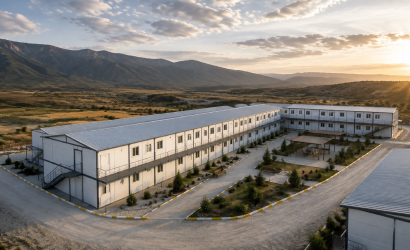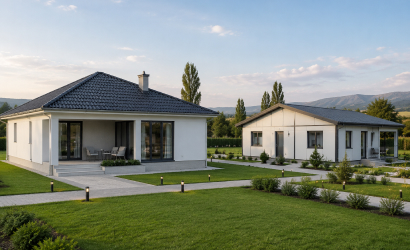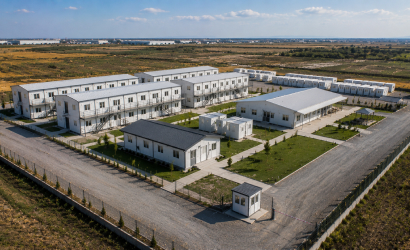
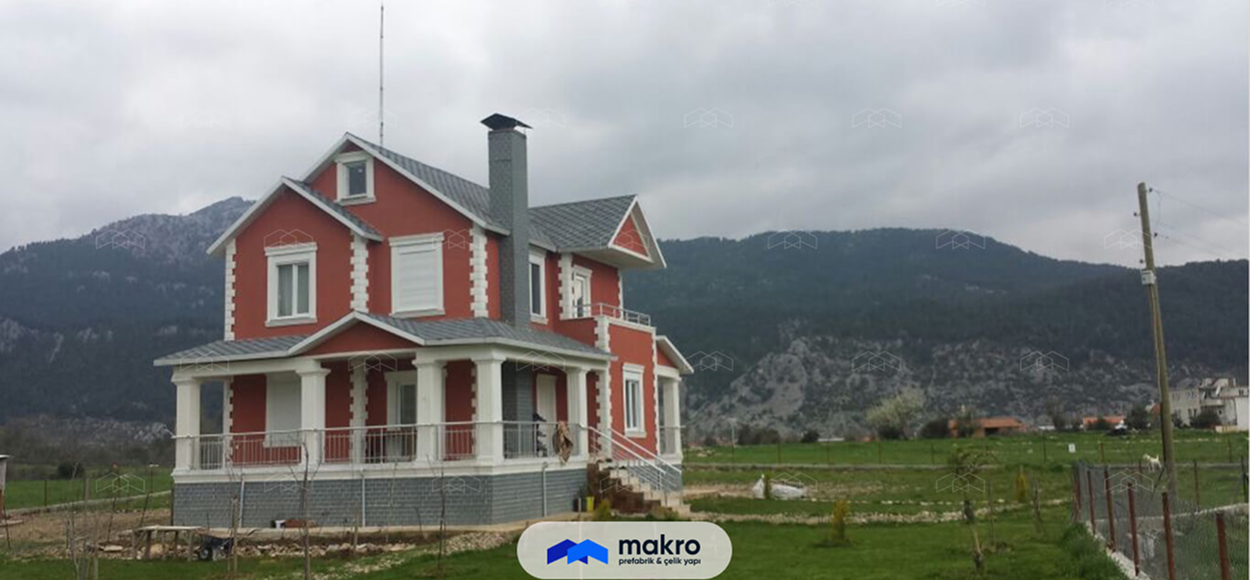
Prefabricated structures have become more visible in recent years for those seeking a summer residence. The main reason is the desire to reach a usable home in a short time without dealing with long construction processes and with a more controlled budget. Landowners want to establish a quiet, personal living space with a garden, without entering the months-long schedule of reinforced concrete construction. In prefabricated systems, building components are prepared in a factory environment, assembled on-site, and the process proceeds more systematically. In the case of summer use, needs are generally clearer. A wide living room, open kitchen, veranda, easy-to-clean surfaces, cool rooms, and a plan that connects with the garden are sufficient for most families. The increase in prefabricated house prices research is also a clear indicator of the related demand. People now prefer to create a simpler arrangement on their own land instead of constantly searching for rental houses during the holiday season. A small plot of land, with the right project, can provide a family with a special retreat point to be used for years.
Time is very valuable for those planning a summer house. Preparations starting at the end of winter are desired to be completed by the summer months. In traditional construction, weather conditions, skilled worker schedules, material delays, and on-site work can prolong the process. In prefabricated structures, components are prepared in advance. Once the foundation is completed, assembly proceeds on a shorter schedule. The speed involved in summer use provides great comfort. Families who want to build a house on a seaside town, rural area, or a plot near a village often do not want to follow the construction site for a long time. A planned assembly process also makes things easier for city dwellers. Instead of spending weeks looking for workers, dealing with material procurement, or going to the site at every stage, a clearer production and installation flow is established. Having the house ready before the holiday season begins is a strong factor in preferring prefabricated structures. For those living far from the summer region, schedule control is even more valuable. When production and assembly stages are clear, permit days, transportation, and land preparation can be arranged more comfortably.
The most curious aspect when building a summer house is the total budget. The house body, foundation, transportation, assembly, permits, plumbing connections, interior fittings, and landscaping should be considered as separate items. In prefabricated systems, since the model and square meters are known from the start, cost planning becomes more transparent. Surprise expenses are not completely eliminated, but well-prepared offers and site inspections make the budget easier to manage. In reinforced concrete construction, prolonged labor time, changing material costs, and minor revisions can increase costs. In a prefabricated summer house, if the plan is chosen correctly, unnecessary square meters can be avoided. Most families prefer spacious common areas over large corridors, excess rooms, or heavy interior details for summer use. A simpler plan balances the budget. If additional features such as a veranda, storage, pergola, or garden kitchen are to be added later, infrastructure points can be pre-allocated in the main house plan. Furniture, mosquito nets, shading, air conditioning, kitchen cabinets, and garden arrangements should also be included in the budget estimate. When the holiday house is completed, expenses should not be considered finished; small seasonal setup costs should be kept separate for the first season.
The appeal of a summer house often lies more in its relationship with the outdoor space than the interior. A small veranda for morning coffee, a garden for children to play, an outdoor dining table in the shade, and an open seating area used on summer evenings increase the house’s value. Prefabricated structures can be directed towards the garden with different plan options. The location of the entrance gate, living room window, kitchen exit, and veranda can be adjusted according to the sun’s direction on the land. Single-story prefabricated house is frequently preferred for summer use due to its practicality. A plan that does not require stairs provides comfortable movement for families with children and older age groups. A living room or kitchen directly opening to the garden extends daily life outdoors. If the land is sloped, ground preparation requires attention. Wind direction, sunlight hours, neighbor distance, and vehicle access should be considered from the beginning for a more enjoyable summer house. Small decisions determine the comfort experienced throughout the summer.
Summer houses may not be used intensively throughout the year. In structures that remain closed for long periods, issues such as humidity, dust, insect entry, sunlight effects, and maintenance needs arise. In prefabricated summer houses, easier surface cleaning, window and door sealing, roof joints, and exterior cladding checks make usage less burdensome. A short maintenance list at the beginning of the season makes the house quickly livable. Insulation packages are important for both winter and summer. In summer regions, hot weather, sunlight, humidity, and wind affect indoor comfort. Proper window placement, shading, roof insulation, and airflow make a significant difference in summer. Ventilation plans become important during periods when the house is closed all day. Easy-to-clean floors, simple kitchen cabinets, and low-maintenance exterior surfaces reduce the workload of the summer house owner. The holiday house should be a place that offers rest rather than a burden requiring constant maintenance. When the season ends, a quick check of electricity, water, windows, roof gutters, and garden gates allows for easier next visits.
The increasing variety of design options also contributes to the popularity of prefabricated houses. In the old perception, ready-made structures were seen as uniform and cold. Now, facade color, window size, roof shape, veranda, interior layout, and room plans can be more flexibly designed. Those seeking a summer house want a small but characterful home. Open kitchens, large glass, natural tones, wooden textures, and garden connections create a warm living feeling. When interior decoration favors simple lines, the square meters are used more efficiently. Instead of excess furniture, proper storage, light colors, and natural light make the house appear spacious. Personal preferences in veranda furniture, kitchen tiles, lighting, and flooring give the house a character far from a ready-made model. The popularity of building prefabricated summer houses is not limited to price and speed. People are looking for simpler, more accessible, nature-close, and personalized living spaces. The quick assembly of prefabricated structures, budget control, harmony with garden life, and openness to personal details strongly respond to this desire. Small choices like a reading corner, open kitchen shelf, stone-look flooring, or shaded veranda transform the summer house from a standard structure into a personal relaxation space. Weekend getaways, short holiday breaks, and remote work periods may only require a simple interior plan. Instead of unnecessary rooms, a spacious veranda, comfortable seating area, and functional kitchen make the summer experience more natural.