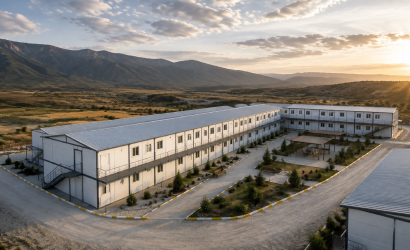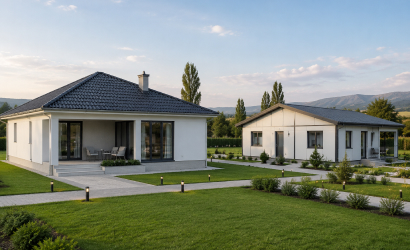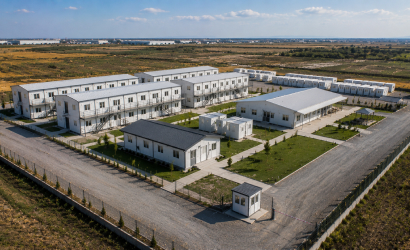
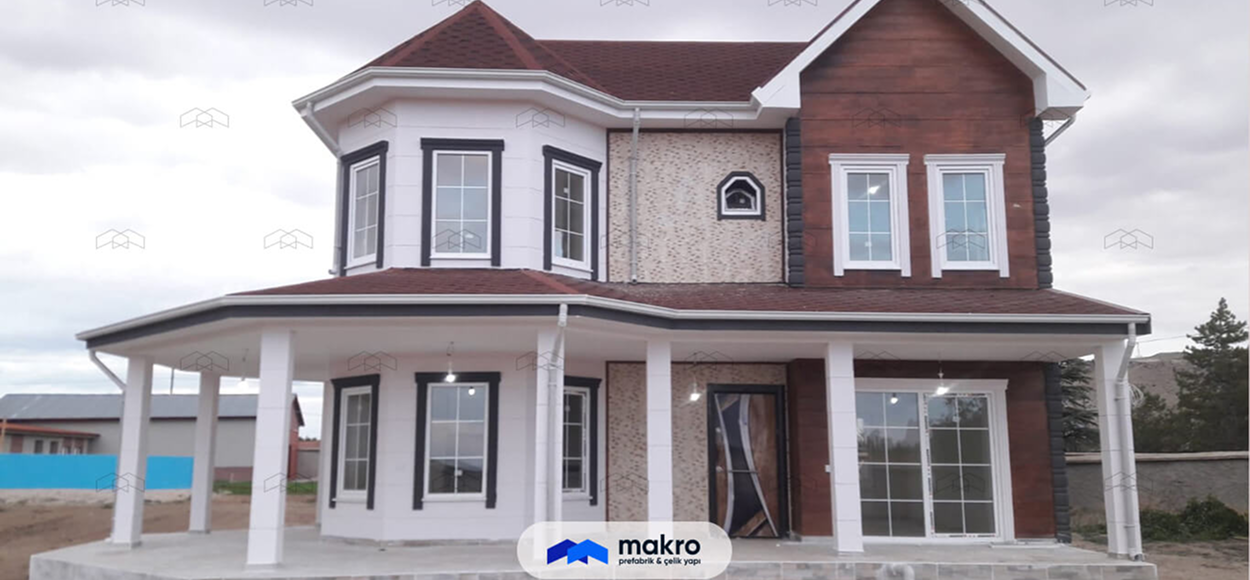
Turnkey steel house, means that all steps of a residence with a load-bearing system made of steel are completed under a single scope, from the project phase to ready-to-occupy delivery. The main difference here is not only the assembly of the skeleton; it is the clear definition of a delivery content that extends to foundation preparation, exterior shell, insulation layers, electrical and plumbing installations, interior finishes, door-window installations, and often climate control infrastructure. From the user's perspective, the goal is to achieve a more predictable result by managing the entire process from a single source instead of tracking parts of the work on-site. The biggest advantage of steel structures is that, with proper engineering and application, they offer a fast-progressing, dimensionally accurate installation. Still, the true value of the “turnkey” term is determined by the scope of delivery specified in the contract. The same term can correspond to different contents in different companies; therefore, the matter must be addressed fundamentally.
The most critical aspect of the turnkey approach is that the list of involved parties is clear. Although it varies depending on the project, generally architectural planning, static design, foundation application, steel load-bearing system installation, exterior facade-roof cladding, thermal insulation, door-window installation, electrical system, plumbing, and interior finishes are evaluated within the same package. In some projects, floor coverings, kitchen-bathroom fixtures, and painting works may also be part of this scope. If the delivery content is not clarified, the user might later encounter additional work, thinking “I thought it was turnkey.” Therefore, when discussing the package, it is necessary to look not only at the square meters but also at the technical standards of work items. Points such as door-window series, insulation thickness, roof drainage details, electrical panel, and socket counts should be clearly specified.
The fact that a steel house is quickly assembled does not mean that official processes will resolve themselves automatically. The zoning status of the land, building setback distances, floor count limits, and development conditions must be clarified at the beginning of the project. In areas requiring permits, architectural, static, electrical, and mechanical projects are prepared together; the file is organized according to the formats and contents requested by the relevant authorities. In rural areas, the process may sometimes proceed differently; however, the basic principle remains the same: land conditions determine where and to what extent the structure will be built. Measurements given without a survey can later require revisions. The strength of the turnkey service is that this coordination is managed by a single entity, allowing the schedule to progress more controllably.
The speed of steel house installation is not just about lifting the skeleton with a crane on the installation day. If the survey and ground preparation are not done correctly, the results can be problematic even if the assembly is faster. When the ground level, drainage, foundation dimensions, and anchorage plan are not clarified before entering the site, door-window alignments may be disrupted, and level differences can occur at connection points. The foundation application is a decisive stage for the healthy operation of the steel skeleton. The foundation concrete must be correct not only in terms of strength but also in measurement and balance. During assembly, the skeleton is erected, roof and facade cladding are completed, then insulation and interior layers are implemented. At the end of the work, tests are conducted: electrical wiring is checked, plumbing passes leak tests, and roof drainage is observed.
The steel load-bearing system, when properly detailed, offers a durable structure; however, the main factor determining comfort is the insulation setup. If thermal bridges are not controlled, interior condensation and heat loss can increase. Therefore, the thickness of insulation as well as the airtightness of joint details are important. Seals around doors and windows, roof joints, wall-floor transitions, and vapor balance must be properly addressed. Sound comfort is also a frequently overlooked topic. The transmission of external noise into the interior depends not only on the window series but also on wall layers. Flooring and ceiling solutions that reduce echo inside increase living quality.
When discussing prices for turnkey projects, the most accurate approach is to compare the scope of delivery rather than the total cost. Two different offers for the same square meters can yield different results due to variations in materials used and interior finish standards. Here, steel house prices alone do not tell the whole story; project scope, whether the foundation is included, the level of interior finishes, whether climate control infrastructure exists, and similar questions are decisive.
The following points make the contract clearer:
For those planning a single-story steel house, the same approach applies; even in small square meter projects, if the scope of delivery is not clear, unexpected costs may arise. A well-defined turnkey package provides clarity at the start and enables the house to be delivered ready for occupancy.