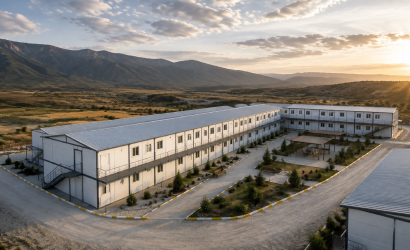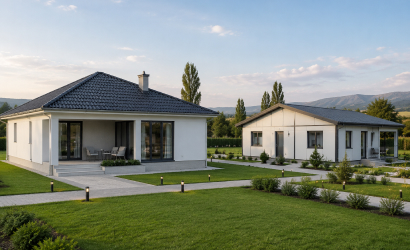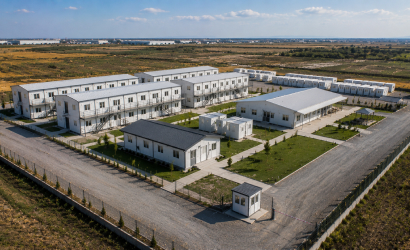
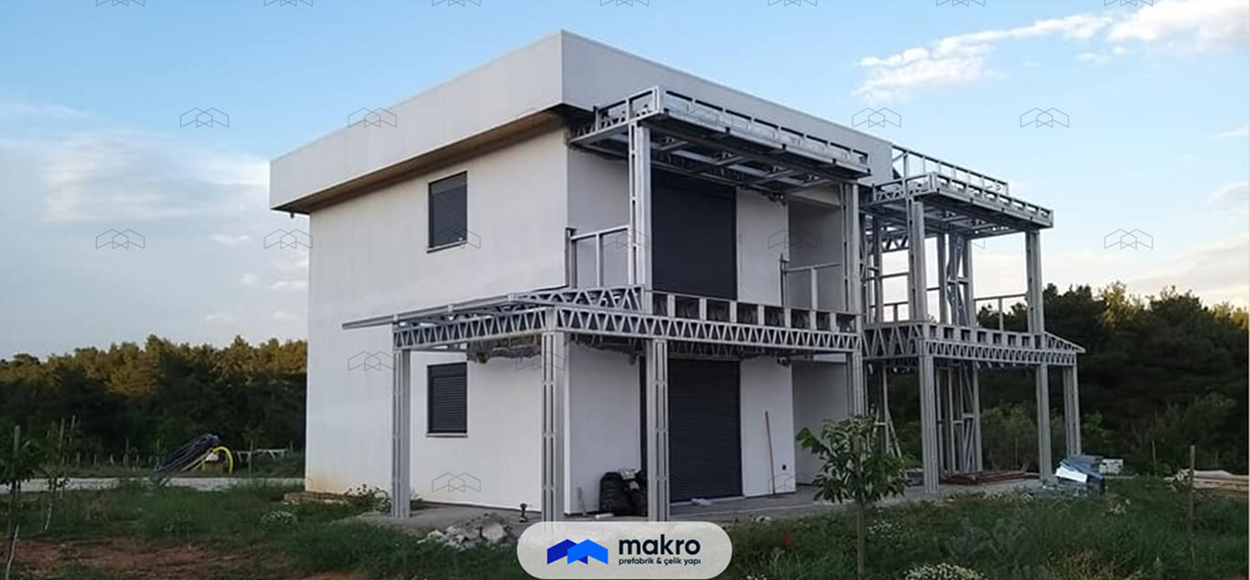
Steel house, a residential type consisting of a load-bearing skeleton made of steel elements. The most common approach in practice is the skeleton system built by assembling profiles measured in the factory on site. Especially in light steel systems, it is common to create wall and floor panels with galvanized, cold-formed profiles. In these structures, the main factor determining safety is not the name of the material, but the correct engineering of the load-bearing system. Connection details, load transfer paths, behavior under wind and earthquake effects, are directly related to the quality of the design. This approach is also detailed in the official technical documents regarding the design and construction principles of steel structures.
A prefabricated house is a housing solution where a significant portion of the building components are produced off-site and assembled on site. In other words, the concept of prefabrication describes a manufacturing method, not a specific material. Wall panels, roof elements, or modular units are prepared in a factory environment and completed with on-site assembly. The fundamental advantage of this method is more controlled production and faster assembly planning. However, the quality is also determined by the accuracy of panel connections, water and thermal insulation details, door and window applications, and on-site assembly discipline. When properly designed, prefabricated systems can quickly transform into a well-organized living space.
The main reason these two concepts are confused is: a steel house is a load-bearing system choice, while a prefabricated house is a manufacturing and installation method. Therefore, a building can be both steel-supported and prefabricated in production. In other words, a steel house and a prefabricated house are not always alternatives; they are often two different definitions intersecting in the same project. The decision-making questions are more decisive: Is a light steel load-bearing system targeted, or a different skeleton? Will the walls be panelized or modular? Are interior modifications and expansions planned later? When these questions are clarified, it becomes easier to determine which system is more suitable.
Earthquake performance depends on the system's ductility and the accuracy of connection details. When properly designed and implemented, steel load-bearing systems aim for safe behavior under earthquake effects; the design principles and implementation standards related to this are covered in technical documents. Regarding fire, it is known that steel elements can lose strength at high temperatures. For fire safety, passive measures such as coatings, protective paints, and correct detailing are important. Insulation effectiveness depends on the correct selection of wall and roof layers and the sealing of joints. Being steel or prefabricated alone does not guarantee good insulation; controlling thermal bridges, vapor balance, and proper installation quality are decisive factors.
The process in residential buildings does not end with just choosing the superstructure. The zoning status of the land, ground conditions, and municipal procedures directly affect the applicability of the chosen system. The general framework of permit, project, and implementation processes within the scope of the Zoning and Building Regulations is defined.
The following control steps clarify the picture before making a decision:
When discussing costs in steel and prefabricated solutions, the most common mistake is to decide based solely on square meters. However, when evaluating steel house prices, the load-bearing system class, insulation level, roof solution, interior finishes, foundation preparation, transportation, and assembly conditions should all be considered together. Similarly, prefabricated house prices are meaningful when considering panel quality, connection details, door and window standards, electrical and plumbing scope. The most reliable method is to define the same scope of delivery for both options and compare offers based on this scope. This way, misleading differences such as one only offering rough assembly and the other turnkey are eliminated. To see current package contents and sample calculations, you can review the steel house prices page on the Makro Prefabrik website.
The first thing to consider when making a decision is how you will use the house. If year-round living is intended, comfort topics such as thermal insulation, air tightness, ventilation, and humidity balance come to the forefront. For seasonal use, quick installation, foundation preparation, and ease of maintenance may be more decisive. Climate conditions also influence the choice; in coastal areas, salty air and humidity make exterior cladding and connection details more critical. The system's name is less important than the material quality used in the project and the application discipline. Well-planned projects can provide long-lasting results in both steel-supported and prefabricated systems; the real difference lies in selecting the right details according to needs.
Needs in residences change over time; dividing a room, adding a new bathroom, or updating piping routes may be necessary. The most critical point in such changes is not to interfere with load-bearing elements. The structure of wall layers and the plan of voids directly affect electrical and water piping crossings. If a flexible plan is considered from the beginning, future revisions will be less costly and less risky. When mechanical shafts, piping access points, and service gaps are designed during the planning phase, subsequent work proceeds more cleanly and quickly. Therefore, when making a choice, it is much healthier to leave room for flexibility based not only on today's plan but also on potential needs 2–3 years later.