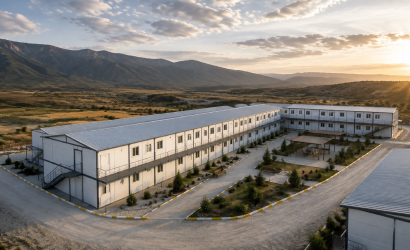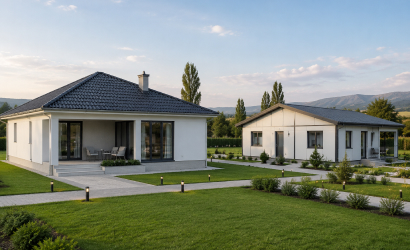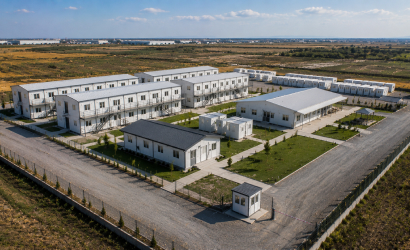
Building a steel house on land designated as a field is not considered a process that can be freely applied on each parcel. The first thing to check is the land's zoning status before the description written on the title deed. If the land remains in residential use, the project can proceed with the zoning status and building permit process obtained from the relevant authority. If the land retains its agricultural status, the process becomes more sensitive. Permissions for non-agricultural use, road frontage, parcel size, settlement area limit, infrastructure connection, ground conditions, and project approval are examined together. Although steel structures can be quickly assembled, since they have the nature of permanent residences, the permit and technical project process cannot be skipped. A brief zoning check before purchasing land reduces the risk of future demolition, penalties, subscription issues, and investment loss.
Not every land titled as a "field" means the same thing. Some parcels may be close to village settlement areas, some may be in regions with strong agricultural characteristics, and others may border planned areas but do not have residential permission. To understand whether building rights exist on the land, a zoning status document is obtained. Applications in areas within municipal boundaries are made to the municipality. In areas outside municipal boundaries, relevant authorities and provincial special administrations may be involved. The zoning status document shows building setback distances, number of floors, floor area ratio, road frontage, building line, and usage purpose. If there is no residential right in an area still designated as a field, the lightweight nature of a steel house alone is not considered sufficient. Using containers, prefabricated, or steel systems does not eliminate the need for a permit for permanent use. If there is a plan to connect electricity and water to the land, the permit process becomes even more important. Structures built without a permit may seem like quick solutions initially, but they pose serious risks in the long term.
The primary goal on agricultural lands is to preserve production quality. Therefore, if a residence is to be built, the classification of the land, its suitability for non-agricultural use, and the opinions of relevant institutions are checked first. Absolute agricultural land, cultivated agricultural land, marginal agricultural land, or protected areas may have different rules. Parcels with records such as olive groves, protected sites, basins, forest boundaries, pastures, or special conservation zones have more restricted processes. Steel house prices should also include land-side permit costs. Project drawing, ground survey, fees, infrastructure connections, road arrangements, and foundation implementation all affect the total budget. A seemingly inexpensive field may no longer be advantageous if building permission cannot be obtained. The road frontage of the parcel, cadastral road connection, slope, and neighboring distances also influence project decisions. A scenic rural plot may seem attractive. However, if there is no road right, transporting construction materials, obtaining electricity, and completing the permit file become more difficult.
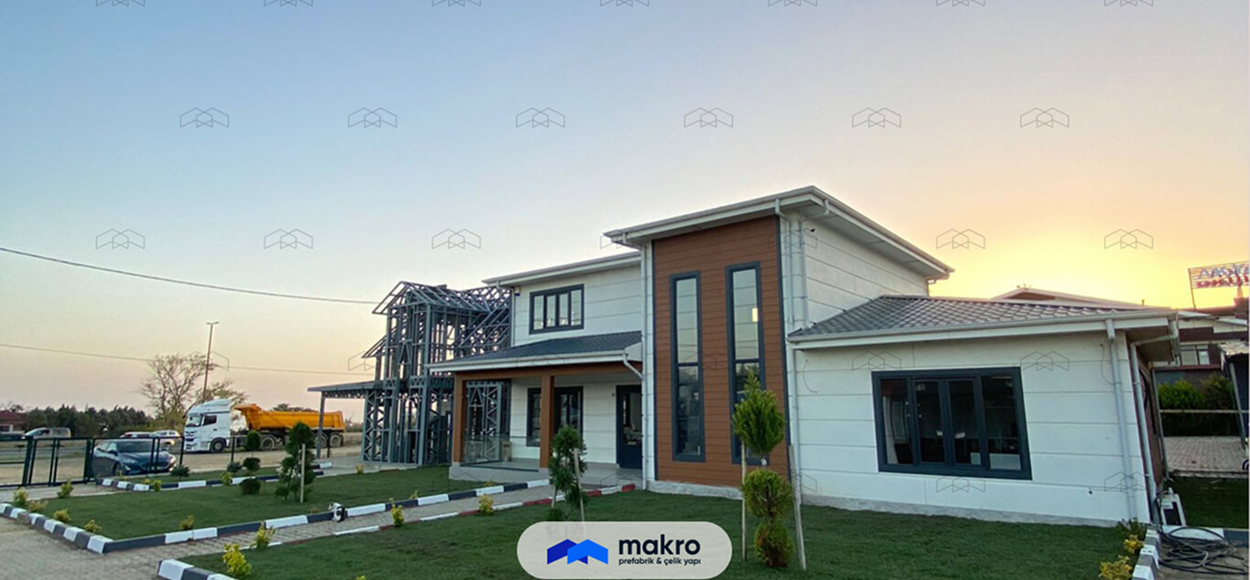
For a steel house, architectural project, static project, electrical plan, mechanical plan, and ground survey are required. Since the structure's load-bearing system is steel, accurate static calculations are particularly important. Wind, snow load, earthquake zone, floor height, and foundation system are included in engineering calculations. If the permit file is prepared inadequately, the process may be delayed, revisions may be requested, or the application may be rejected. Two-story steel house plans pay closer attention to floor loads, staircase placement, foundation connections, and load-bearing axes. Although a single-story small structure and a two-story family residence follow the same permit logic, their technical load calculations differ. Roof shape, verandas, balconies, enclosed terraces, and additional annex areas may alter the project scope. During the application phase, the actual usage purpose should be clearly stated. Structures shown as farmhouses but used as permanent residences may cause issues later with subscriptions, occupancy permits, and inspections.
Building a steel house on land involves more than just planning the house itself. Access roads, parking, drinking water sources, waste water solutions, electrical lines, rainwater drainage, and fire access are also included in the settlement layout. Infrastructure readily available in city center plots may require additional cost and time in rural parcels. Septic tanks, treatment facilities, wells, storage, or energy lines, if not discussed from the start, can cause budget surprises. Ground structure should also not be overlooked. Sloped or filled ground increases foundation costs. In areas prone to flooding, building elevation is increased. In open areas exposed to wind, façade and roof connections are handled more carefully. Sun orientation, window placement, and thermal insulation directly affect living comfort. While placing a house on the land facing a scenic view can be a good idea, neglecting factors like north wind, service roads, and neighboring distances can make daily use tiring. The correct site plan is the most peaceful way to position the house on the land.
For those planning a steel house on land designated as a field, the most accurate starting point is to complete permit and zoning checks first. Making a deposit before the land appears suitable, choosing a house model, or signing a production contract is an impulsive step. When the zoning status, agricultural view, road connection, ground information, and permit conditions are clarified, the project progresses more comfortably. Budget planning includes the cost of house production, as well as foundations, transportation, cranes, assembly, infrastructure, permit fees, project drawings, landscaping, and interior fittings. Transportation costs may increase for rural parcels due to distance. Narrow village roads, sharp turns, or sloped terrain affect construction site organization. On the schedule side, official applications, project approvals, foundation preparations, and production durations are listed separately. A patient preparatory phase reduces disruptions during assembly. A steel house on land can only become a secure investment with legal permissions, a correct project file, and suitable land conditions.