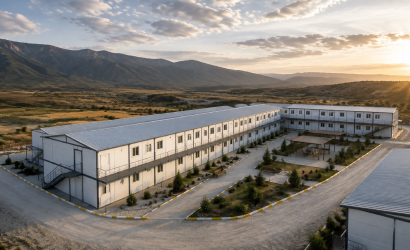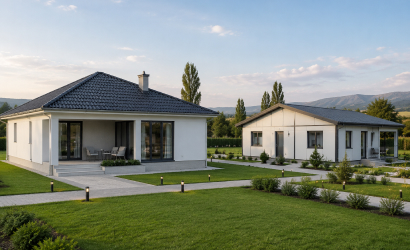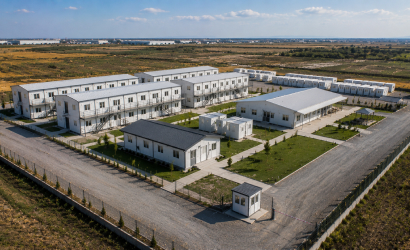
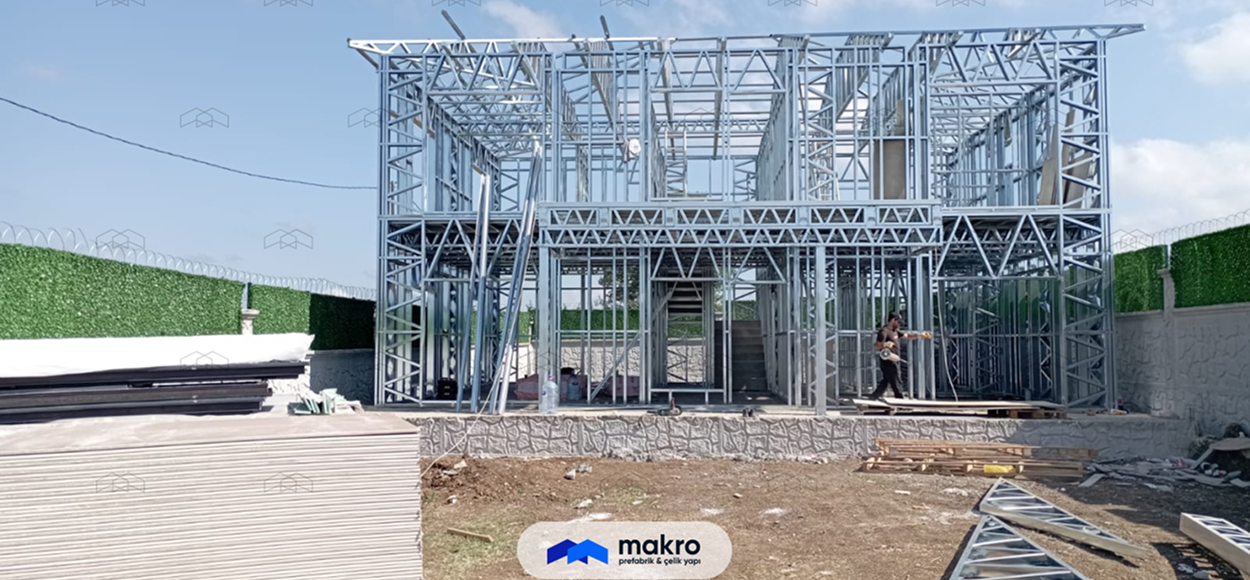
The correct choice for construction site buildings depends on the project's duration, site organization, personnel count, potential relocation, and comfort expectations. Containers provide a practical solution for short-term, frequently changing, and quick-setup sites. Prefabricated buildings are more comfortable for long-term projects requiring a broader layout and where social area comfort is important. Prefabricated site structures offer the opportunity to organize sections such as dining hall, dormitory, administrative office, shower, toilet, infirmary, and meeting area within a single plan. Container systems, on the other hand, come as ready modules, are placed on-site, and can be used in a short time. When making a choice, not only the initial installation speed is considered, but also the service life, maintenance needs, energy costs, and on-site movement plan are taken into account.
When choosing a construction site structure, the first question is how long the project will last. A few months of infrastructure work, a road maintenance site, or a temporary storage need results in a faster outcome with a container structure. Since the module arrives ready, it can be quickly installed when the ground is suitable. When the project is completed, it can also be dismantled and moved to another site easily.
Long-term housing, factory, power plant, hospital, or large-scale construction requires a more comprehensive layout. Prefabricated site structures offer more flexible planning for a large personnel team and different usage sections. Corridor, room distribution, dining area, resting zone, and technical spaces are shaped according to the project. In the long run, interior comfort, sound control, thermal balance, and maintenance access become more important. If the site will be active for months or even years, a more organized camp plan is preferred over temporary structures.
Since container structures arrive as ready modules, they offer the advantage of quick placement. They are positioned with a crane or suitable lifting equipment, and once electrical and mechanical connections are completed, they are ready for use. Office container creates a working area quickly for site engineers, security points, administrative teams, or project management units. The speed in projects where time is critical provides significant convenience.
In prefabricated buildings, installation progresses in a more planned manner. Panels, supporting system, roof, doors, windows, and interior partitions are assembled on-site. The duration may be longer than for containers, but the resulting structure is larger and adapted to usage needs. From a portability perspective, containers are more practical. Prefabricated structures can be dismantled and reassembled, but require detailed craftsmanship and a transportation plan. If the project involves frequent relocations to different points, containers proceed more smoothly. If a permanent site camp will be established, prefabrication becomes a stronger alternative.
For teams working on-site, the comfort of rest, dining, sleeping, and hygiene areas affects productivity. Container structures have standard size limits. When well planned, narrow spaces become functional, but in crowded teams, interior volume can fill quickly. If the placement of air conditioning, heaters, windows, and doors is not well designed, the feeling of heat in summer and cold in winter increases.
Prefabricated site structures allow for more comfortable room sizes. Dormitories, changing rooms, dining halls, showers, and toilets can be arranged separately. When sandwich panels, roof insulation, floor layout, and window placement are properly selected, the indoor environment remains more balanced. In noisy sites, it is important for personnel rest areas to remain quieter. In long shifts, a spacious break area helps maintain a healthier daily routine. In terms of comfort, broader planning and expectations for more permanent use strengthen the prefabricated option.
In initial investments, container options generally offer a faster and simpler cost plan. Ready modules, transportation, and installation processes can be kept short. The advantage is more evident for short-term use. Leasing, second-hand use, or site changes also influence budget considerations by allowing reevaluation.
In prefabricated structures, initial costs may increase depending on the project scope. Larger square meters, custom room plans, insulation details, roof systems, and internal installations raise costs. However, for long-term sites, energy efficiency, ease of maintenance, and worker comfort can make total expenses more balanced. In container structures, regular checks of door, window, exterior surface, and roof joints are necessary. In prefabricated structures, panel joints, grooves, utility passages, and floor details are monitored. The most reliable approach in decision-making is to evaluate both the initial price and the maintenance and energy costs that will occur throughout the usage period in the same table.
Site layout is one of the most important factors determining the type of structure. In narrow plots, container modules can be stacked or placed side by side. Vehicle traffic, crane access, ground load capacity, and connection points are planned in advance. Small modules provide quick solutions in confined areas. For projects with large camp areas, prefabricated structures create a more organized layout.
If dining halls, dormitories, administrative offices, security, infirmaries, and storage sections are to be established within a single flow, prefabricated models are more flexible. For short-term site management, mobile offices, waiting areas, or temporary team accommodations, container structures may be more practical. When making a decision, personnel count, project duration, potential relocation, climate conditions, maintenance team, and ground preparation should be considered together. The correct choice simplifies daily site operations, helps teams work without wasting time, and makes project management more controlled. For long-term projects where permanent comfort is sought, prefabrication is more suitable; for sites where quick commissioning and portability are desired, containers are more appropriate. As site conditions change, the building needs can also be updated. Early discovery, proper ground preparation, and simple layout plans enable more efficient use of prefabricated or container options. In the long run, maintenance becomes easier.