These types of structures are becoming increasingly popular as a fast, cost-effective, and environmentally friendly construction option. However, there are many factors to consider before building these structures. One of these factors is the soil investigation. So, what is soil investigation and why is it important in construction? Soil investigation is a critical element for structural safety. Identifying potential risks in the ground and taking precautions ensures the safety of the construction and its subsequent use. In fact, prefabricated shop models can be installed after soil investigation. These types of structures play an important role in modern construction projects. However, a successful building project relies heavily on accurate soil investigation. Soil investigation is a crucial step to optimize engineering designs, ensure safety, and accurately estimate costs. Every building project should be constructed on a foundation based on soil investigation.
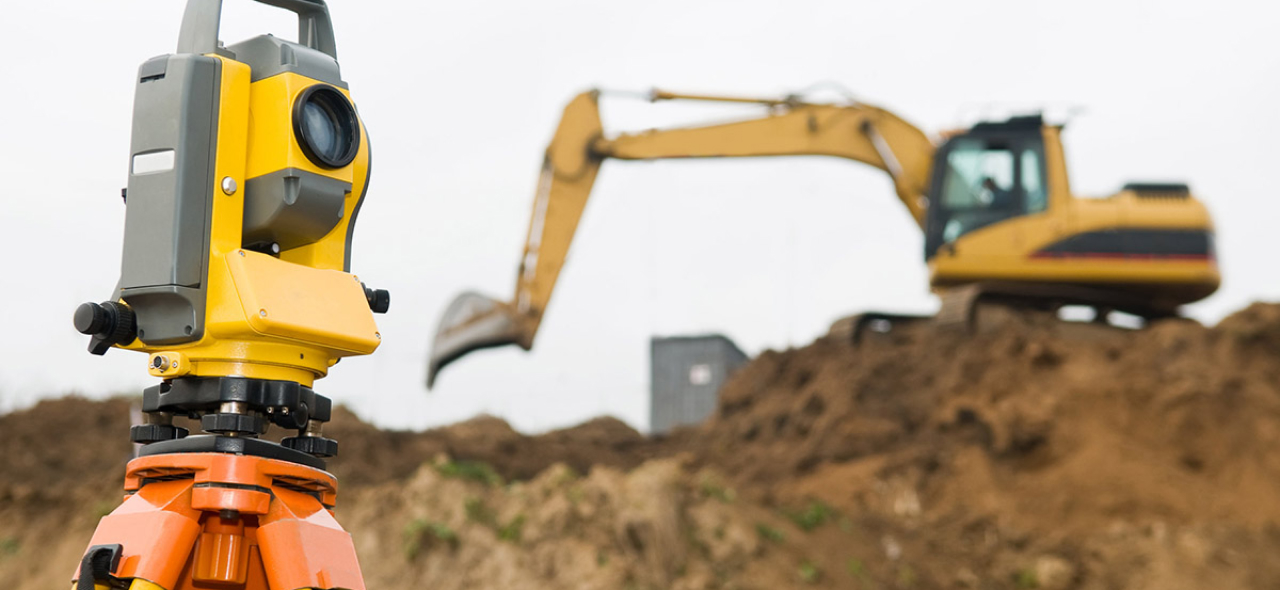
Soil investigation is an engineering study that examines the ground conditions of a site or construction project. This study determines soil properties and assesses the suitability of the ground for the foundation and structure of the project. Soil investigation analyzes key features such as bearing capacity, compressibility, permeability, and other important characteristics. The foundation design for portable structures must be based on the results of soil investigation. The ground's bearing capacity and other properties enable the creation of an appropriate foundation design. This increases the durability of the structures. Soil investigation plays an important role in selecting the location for construction. Soil properties can vary significantly across different regions. Soil investigation helps make informed decisions about site selection. It also helps accurately estimate construction costs. Factors like soil bearing capacity influence project costs and structural requirements. This information is vital for budget planning.
Portable structures are increasingly preferred due to their quick construction times, low costs, and environmentally friendly features. However, for a structure to be durable and long-lasting, proper foundation concrete application is essential. Preparing the ground where the foundation will be laid is important. Leveling the soil, cleaning stones, and making necessary adjustments ensure that concrete is poured on a solid base. Choosing the right mix for the foundation concrete of these structures is crucial. The concrete mixture should be determined based on the type of structure, local climate conditions, and soil properties. Engineering calculations should consider factors such as durability and load-bearing capacity to select the correct mixture.
Create a form suitable for the area where you will pour the ground concrete. This form ensures the concrete takes the desired shape. Properly setting up the form allows the concrete to sit smoothly on the surface. When the ground concrete is ready, you can proceed with pouring. Pour the concrete into the form and level the surface using a trowel or float. Ensure the concrete is spread evenly. Also, for prefabricated social facility buildings, wait for the poured concrete to cure for a specified period. Then, apply appropriate maintenance to protect the surface. This will help prevent cracks and increase the durability of the concrete. Once the ground concrete has fully hardened and maintenance is complete, you can proceed with the assembly of the structure. The assembly process must be carried out on a proper foundation, and for these structures, ground concrete is a critical step to ensure the durability and longevity of the buildings. Selecting the right materials, performing proper preparation, and carefully pouring the concrete are essential for a successful construction project.