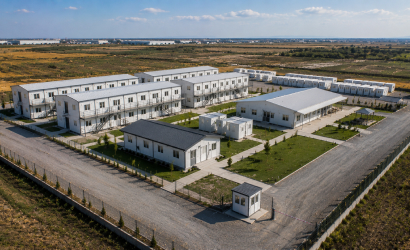
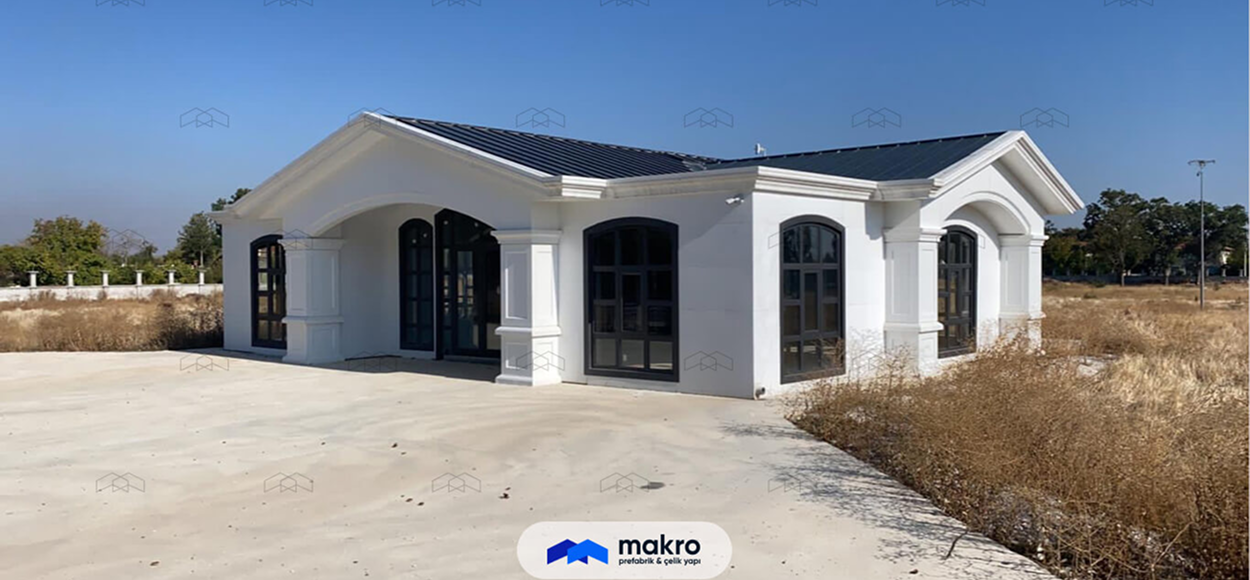
After purchasing a prefabricated house, the first steps are to clarify the scope of delivery, check the foundation and infrastructure preparations, review the interior and exterior components after assembly, complete the usage budget, and establish a regular maintenance plan. The most common misconception in the field is the idea that the purchase and installation will be completed on the same day. When permits, concrete flooring, electrical and water connections, what is included in the delivery, and initial inspections are clearly defined from the start, the process proceeds more smoothly.
The first step is to read the scope of delivery in the contract line by line. It should be clearly known which points the wall panels, doors, window system, roof elements, electrical and plumbing installations include. Open technical specifications indicate that services included and not included in the price can vary by manufacturer, with concrete flooring, excavation, official permits, transportation, crane, and some flooring works possibly being separate. To avoid surprises later for the prefabricated house you purchase, consolidating drawings, surveys, contracts, and assembly scope in the same file before delivery provides significant peace of mind.
The same diligence is required on the document side. Although the condition of the land, local permits, and project compliance start at the time of purchase, it is important that all documents are completed at the delivery stage. It is explicitly emphasized that early consideration of zoning, legal permits, and project compliance is necessary. Single-story prefabricated house planning may seem simpler, but land suitability, official approvals, and the accuracy of measurements in the project should be monitored with the same care.
After the purchase is completed, one of the most critical stages is foundation and site preparation. Open production flow indicates that the landowner is responsible for ground preparation, that a flat and solid concrete foundation must be prepared, and that provisions should be made for electrical and plumbing connections to be outside the concrete. A well-assembled prefabricated house will not provide the expected comfort on poorly prepared ground. Therefore, before the assembly team arrives, elevation differences, water pooling risks, infrastructure exit points, and site access must be checked. On the infrastructure side, it is important not only to have connection points but also to correctly determine their locations. The placement of water, electricity, and sewer lines directly affects the usage layout inside the house. Incorrect exits on the land can lead to breaking, moving, and additional costs later. It is stated that the proximity of water sources, electrical lines, and sewer systems should be evaluated before purchase. Adding infrastructure matching to the initial control list immediately after delivery reduces future fatigue.
When assembly is complete, the work is not entirely finished. It is explained that during factory production, windows, insulation, and some electrical components can be prepared in advance, and that after the main structure is built on-site, the roof, electrical, and plumbing connections are completed. At that stage, the door closing balance, window openings, roof joints, wall joints, and exterior surface transitions should be carefully checked. Overlooking small details can cause more trouble after installation begins. Conducting a short but thorough delivery tour before moving into the prefabricated house makes a big difference. Inside, outlets, switches, lighting points, faucets, siphons, and drain flows should be tested one by one. Open content states that the post-assembly final inspection and moving process are carried out to ensure the structure's durability and comfort. It is not enough to just look at the appearance. Every working component must be tested. If expectations for thermal and sound insulation are high, window closures, door seals, and roof transitions should also be checked on the same day.
One of the most overlooked topics after purchase is the daily usage budget. Prefabricated house prices influence the initial decision, but expenses after living begins are just as important as the first payment. Open content explains that calculating operating costs such as heating, cooling, water, and electricity from the start results in a more solid plan. Before placing furniture inside the house, considering outlet points, wardrobe locations, heater placement, and daily circulation plans reduces later changes. The initial settlement plan should prioritize needs. Some users tend to complete everything at once, whether movable or immovable. However, open recommendations suggest that identifying needs and progressing in a controlled manner over time is a more rational approach. Clarifying which areas of the prefabricated house will be used immediately and which can be deferred before living begins also reduces budget pressure. Countertops, shelves, storage areas, outdoor lighting, or small repairs can be done gradually according to needs, not all at once.
Durability is related not only to materials but also to maintenance habits. Open technical writings state that if gutters are cleaned, leaks are checked regularly, and overall cleaning is maintained, the structure can be used for decades. It is advisable to create a small maintenance schedule immediately after the initial settlement. Gutter and roof inspections during seasonal transitions, visual checks of the exterior surface a few times a year, and door and window adjustments as needed can be performed. For a prefabricated house, the strongest protection is often not expensive interventions but regular small inspections. A maintenance plan also preserves comfort. Ensuring insulation remains effective, early detection of water ingress, the healthy condition of roof joints, and keeping the exterior surface clean directly affect the living experience. While emphasizing four-season use and long-term durability in the content, it is clear that user monitoring is as important as material quality. A well-planned prefabricated house reveals its true value not on the delivery day but through the care shown in the following months. The more calmly and sequentially the steps after purchase are carried out, the more peaceful the installation process will be.