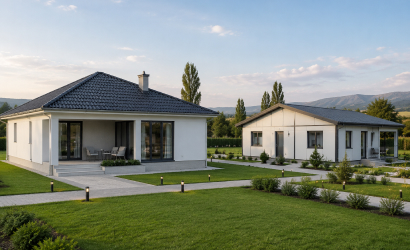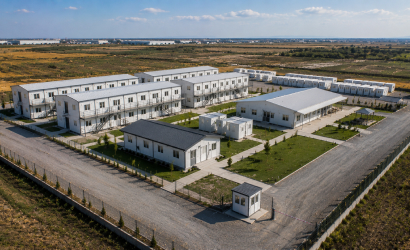
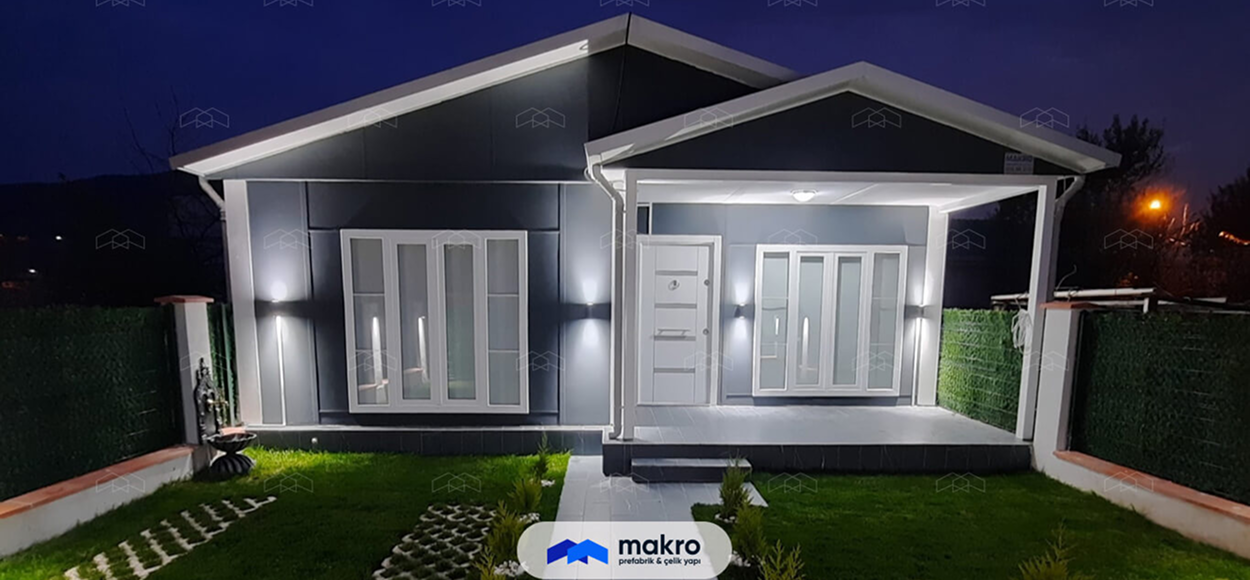
For many people looking for a summer house, the first question is the balance between comfort and cost. When looking at prefabricated structures, the answer is often yes. The examined products and technical details clearly include summer houses, holiday villages, and secondary residences. Single-story models range from plans of 40 square meters to 149 square meters, while two-story models offer alternatives from 90 square meters to 178 square meters. A small plan can be chosen for a weekend getaway, or a larger living space can be established for long family stays. The assembly of factory-prepared parts on-site also makes the process more controlled.
When thinking of summer, the first ideas are relaxation, taking a breath, and getting away a bit from the city pace. In such a lifestyle, the first thing people seek is a simple arrangement that doesn’t cause trouble from the moment they start using the house. The reviewed pages show that prefabricated structures are suitable for secondary residences and summer use, can be shaped according to different needs, and can be planned for small or large families. In a 49-square-meter model designed for a hobby garden, sections such as veranda, living room, kitchen, bedrooms, and bathroom are clearly separated. The basic setup necessary for summer living is ready. For those who do not want a long and exhausting construction process, the resulting picture is quite reassuring.
Another advantage is the ability to choose the scale. Some want a weekend getaway, some plan to stay there all summer, and others imagine a second house where the family can gather. When there is a high variety of plans, everyone can find a more suitable option. Choosing a space according to needs makes it easier to avoid unnecessary costs.
Many people limit their summer house to just the summer months. However, it is important for the house to remain comfortable in spring evenings, cool nights, and even short winter getaways. The technical details mention that 80 millimeters of EPS foam is used in interior and exterior walls, 80 millimeters of glass wool in the ceiling, and insulation is supported with PVC windows and galvanized roof covering. The combination of wall, roof, and window creates a structure that does not make the interior stifling in hot weather and retains heat better in cold seasons. Since sound insulation is also emphasized, expectations for a quieter summer house experience are strengthened. The issue is not just the wall thickness but the entire shell working together. In some models, the inclusion of PVC windows with double glazing, steel exterior doors, electrical wiring beneath plaster, and plumbing also increases comfort in summer use. The roof structure that directs rainwater away and weather-resistant materials turn the summer house into a safer place.
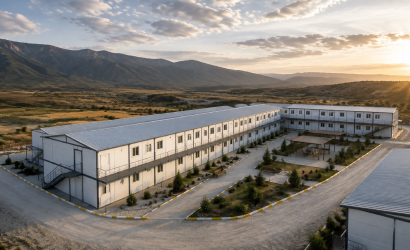
When the land is small or when one wants to see the view from the upper floor, two-story plans become more attractive. Two-story prefabricated house options also offer a flexible way for families who want to expand their space as they grow. It is explained that two-story models are demountable, assembled at the delivery point, have high insulation features, and come with different room plans. The favorite aspect of two-story living in a summer house is the ability to separate spaces. The ground floor typically includes living and kitchen areas, while the upper floor has quieter rooms, making family gatherings more organized. Technical details clearly state that more living space can be obtained on smaller plots.
Cost is certainly important, but the price tag alone should not be the only measure in choosing a summer house. The examined lists show that larger and multi-story plans have higher figures. Listing a 155-square-meter, two-story 3+1 model also illustrates this. The factors that create price differences include square meters, number of floors, room layout, and technical details. If what is truly needed in a summer house is clarified from the start, a more accurate choice can be made without spending on unnecessary square meters. In other words, how it is used is as important as the cost. Small single-story plans offer more accessible initial costs, while multi-story options come into play for those seeking larger family living. Even the difference between a 100-square-meter single-story model and a 100-square-meter two-story model clearly shows how the number of floors affects costs. When making a decision, it is necessary to consider how many months it will be used, how many people will stay, and whether the rooms will truly serve their purpose.
When choosing a summer house, the feeling of living on-site is as important as the plan on paper.
For those who want to escape to nature at certain times of the year, want to see a ready-to-use house on their land in a short time, or seek a more practical solution for a family that gets crowded in summer, prefabricated summer houses are quite a reasonable choice. The two-story prefabricated house solution can be more functional for families who want shared living spaces on the ground floor and quieter rooms upstairs. For those seeking simpler use, single-story and medium-square-meter plans offer a more comfortable path. Durability, insulation, different plan options, and products that openly accommodate summer use, when considered together with prefabricated house prices, do not seem like a passing fad. If needs are clear and the land is properly assessed, it can become a house that can be enjoyed for a long time.