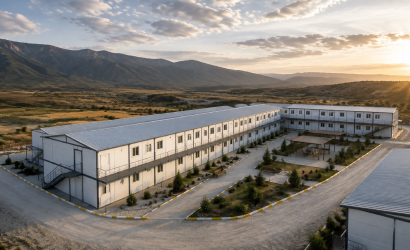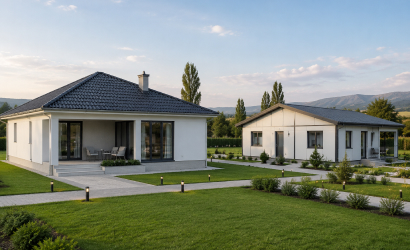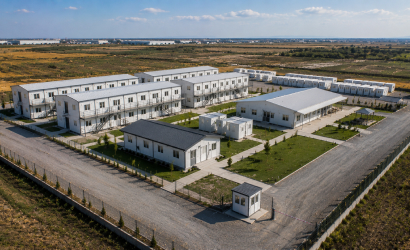
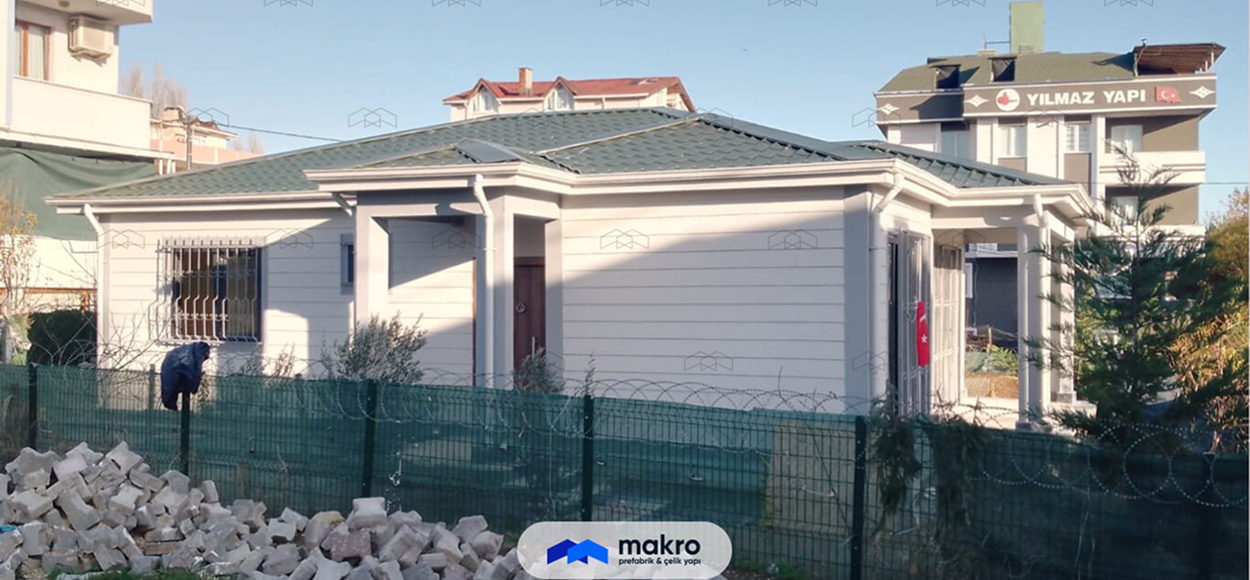
Many people considering a steel house have similar questions. Will the house provide security for many years, how does it behave in harsh weather conditions, and how sturdy does it feel in daily use? Durability in structures produced with a steel supporting system is not limited to the skeleton strength. The fundamental structure, insulation layers, anti-corrosion treatments, and installation quality also complete the picture. It is clearly seen that systems built with steel frames and panels are more resistant to collapse, when constructed on a flat concrete foundation the risk of deformation and sinking decreases, and with the correct use of materials, it gives a long-lasting building feel.
The strength of a structure cannot be understood by looking at a single material. The load-bearing skeleton, foundation, wall layers, roof, and protection against external effects are evaluated together. The high tensile strength of steel, its lightweight yet strong body, and flexibility in planning create a significant advantage in terms of durability. Insulation layers also protect the interior comfort of the building while reducing the abrasive feeling of external effects. Achieving a more resistant body with steel parts treated with anti-corrosion processes is also important for long life. The sense of security felt in daily life often comes from unseen details. When the door closes, the house feels solid; the walls transmit less external air pressure; and a structure that does not create excessive tension under the roof reassures people. The feeling of solidity is formed exactly in this way. Apart from the technical values on paper, the balance experienced while living also plays a major role in the decision-making process.
In a country like Turkey, where earthquakes are a reality, the response of the structure to shaking is very important. It is stated that steel skeleton houses are designed with earthquake resistance in mind, and when combined with a solid foundation, they reduce the risk of long-term deformation and are resistant to external effects such as strong winds. The lightweight but strong supporting system distributes the load more controlled, allowing for more balanced behavior during tremors. Proper design of the roof and skeleton line also adds extra strength to the structure. Single-story steel houses solutions clearly feel the benefit of lightweight materials and a strong skeleton. While the installation process is faster, the sense of solidity does not weaken. The idea of quick assembly may sometimes cause concern, but here the speed is due to the lightness of the material and pre-production arrangements. Durability is supported by the skeleton structure and assembly logic.
One of the main concerns when thinking about durability is fire risk. Steel material is resistant to fire, offering a stronger option in terms of fire safety, and some insulation layers used inside the structure also play a supportive role in fire resistance. Materials like rock wool used in the roof line contribute to thermal and sound insulation as well as fire resistance. Such a setup ensures the house has a more secure shell. The advantage of steel structures in terms of humidity and moisture is also clear. Using corrosion-resistant materials and anti-corrosion treatments extends the lifespan of steel parts. It is noted that in humid areas, the risk of moisture is reduced, and a structure more resistant to external effects like wood-boring insects is formed. The detail that quietly appreciates over long-term use is exactly this. People want a house that remains as strong as on the first day for many years.
Insulation is often thought of only as a comfort feature, but it is also important for the lifespan of the structure. Using EPS foam in the walls and rock wool in the ceiling makes the indoor environment more balanced while creating a protective layer against external effects. EPS, with its low thermal conductivity, strengthens the wall line, while rock wool supports fire resistance and sound control. The backing of systems used in different regions of Turkey is partly based on this material balance. For families choosing single-story steel houses, the value of insulation is felt from the very first winter or hot summer day. Maintaining a more balanced indoor temperature, reducing external noise, and lowering the risk of moisture make daily life more comfortable. The feeling of durability often begins exactly here. It’s not just about the house standing; it’s also about providing peace of mind while living for many years.
There are many important details to pay attention to when purchasing a steel house. First, the load-bearing system’s steel frame and panel structure should be clearly explained, and technical specifications should be presented transparently. The proper preparation of the foundation on a flat concrete surface should not be overlooked, and soil surveys must be conducted. Layers such as EPS and rock wool used in wall and roof insulation should be questioned, and thermal insulation values should be examined in detail. Information about anti-corrosion treatments and protection against external effects should be clear, and methods of protecting the steel should be learned. Earthquake, wind, and fire resistance should be evaluated as technical design, not just as statements, and necessary documents should be requested. Steel house prices should be evaluated together with material quality, square meters, and plan differences, not just focusing on the total cost.
The high strength of steel, its robust stance against fire and wind, corrosion protection treatments, insulation layers supported by EPS and rock wool, and solid foundation design come together to create a long-lasting living space. Moreover, different square meter options make it easier to choose a more suitable plan according to family structure. Durability does not only mean hardness. It also means a comfortable, secure, and non-fatiguing structure over the years. Steel houses are exactly such a balanced option for those seeking this kind of strength.