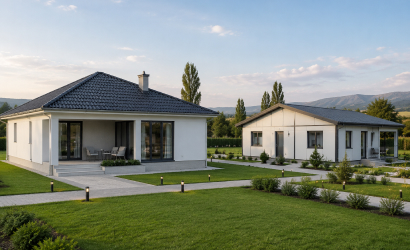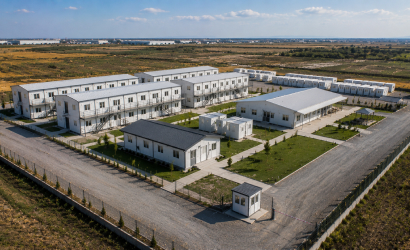
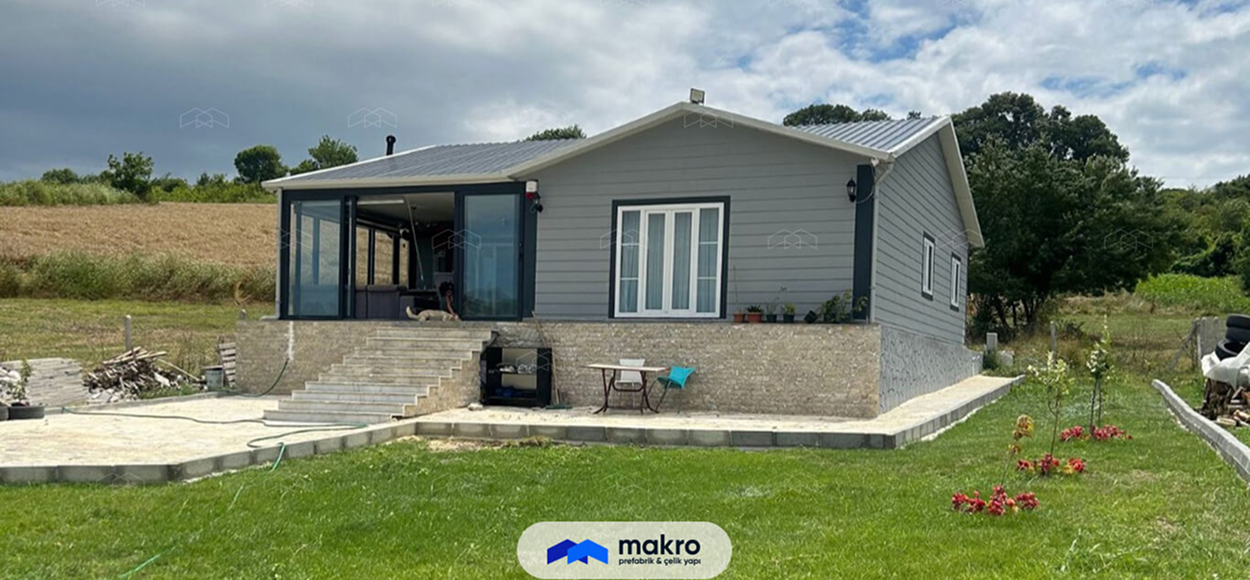
The idea of a prefabricated house is often seen as choosing a ready-made plan and completing the process. In reality, the picture is more flexible. While options range from 40 square meters to 149 square meters in single-story models, plans can be shaped according to different room counts and living habits. The rapid progress of installation, prefabricated components, and engineering calculations open up a wide space for personal touches. For those who want to build a house that is simpler, more spacious, or more family-oriented, prefabricated systems offer a structure that is much more adaptable than a mere box.
The most curious topic is plan flexibility. The first issue determining the living space is how many people will use the house. As the square meters increase, the placement of the living room, the openness of the kitchen, the distribution of bedrooms, and the location of wet areas are reconsidered more comfortably. It is noted that in families choosing a two-story prefabricated house, room positions can be easily changed according to preference. In large families, the ground floor can be arranged as a shared living area, and the upper floor as quieter rooms. In smaller families, a more compact plan reduces unnecessary corridor and empty space load. In single-story options, flexibility is not limited. Different square meter ranges and architectural configurations allow for simpler or more segmented solutions based on needs. A family with children might prefer a plan with strong storage options. Someone considering a summer house might find a veranda connection more appealing. In homes with high guest traffic, a more open living room and more balanced placement of rooms make daily life more comfortable.
One of the first aspects that influence the character of a house is color. Allowing choices in interior and exterior paint transforms the house from a ready-made product into a personal living space. Lighter tones inside enhance the feeling of spaciousness, while warmer or calmer colors on the exterior change the relationship with the environment. Sometimes, what makes a house lovable is not just its plan but the feeling it gives when entered. Color selection plays a crucial role here. Being able to shape interior and exterior paint choices during the planning stage provides significant comfort for decision-makers. Silicone-based paint is used on the exterior, and plastic paint on the interior in technical lists. Freedom of color choice allows visual identity to be changed without disrupting the basic technical structure. Earth tones can be preferred on a plot close to nature. For a more modern look, a balance of gray, white, and anthracite can be more pleasing. Although color might seem like a small detail, it is a powerful layer that determines the initial impression of the house.
When it comes to customization, most people first think of wall colors. Choices of roof and joinery also directly affect quality of life. Technical lists show painted galvanized sheet metal for roof coverings, with options for metal tile and shingle. PVC is preferred for windows, steel doors for exterior doors, and American doors for interior doors. PVC is also prominent for balcony doors. All these elements not only change the exterior appearance but also influence daily usability. The choice of roof type significantly alters the house’s look. Someone seeking a more classic appearance might prefer a look close to metal tile. For those who prefer simpler lines, a standard roof solution may suffice. Window size and glass placement also determine the interior lighting. For those seeking a spacious living room feel, the use of glass becomes important. The presence of balcony and terrace options on upper models also strengthens the connection with outdoor space. Such details can be more valuable for a family wanting to enjoy the evening air than technical specifications on paper.
Prefabricated plans are drawn with specific engineering calculations. Still, the exterior appearance is not entirely fixed. It is clearly stated that some requested exterior design changes can be implemented with engineer approval. For example, the entrance porch, facade movements, window balance, or certain visual details can be reconsidered within certain limits. The main idea here is to consider aesthetic desires alongside structural safety. Instead of arbitrary changes, calculated revisions ensure the house can be used more comfortably. Those wanting a more lively facade might prefer a front view that emphasizes veranda connection. Those seeking a more closed and calm facade can choose window ratios and surface rhythm more evenly. For families with children, making the entrance area feel more protected becomes important. For summer houses, the line of the terrace and balcony becomes more valuable. Small touches in exterior design facilitate creating a house that closely matches the lifestyle.
Customization is not limited to appearance. Technical lists include options for wall thicknesses between 6 cm and 10 cm. Preparation of electrical and plumbing installations beneath plaster also makes planning cleaner and more organized. Insulation with EPS foam in walls and fiberglass in ceilings establishes a fundamental for year-round use. For families seeking silence, temperature balance, and ease of use inside, the technical side is just as important as decoration. Prefabricated house prices are most noticeably affected here by the overall impact of choices. The size of the square meters and the options selected are decisive on the offer. A house’s likability often depends on unseen details. The feeling from the wall in winter, comfort around the window, temperature balance under the roof, and clean plumbing setup quietly influence daily life. When personalizing the interior, it’s not enough to just think about furniture placement or curtain color. The technical backbone must also suit the family’s arrangement. The beauty of prefabricated structures is that technical and aesthetic decisions can be discussed more clearly on the same table.
You don’t have to give equal importance to every detail in the decision process. The most efficient way is to focus on topics that directly affect daily life.
The arrangement that best fits family size and living habits is established here.
One of the most visible touches that change the house’s feel.
Choices like metal tile and shingle influence the appearance alongside standard solutions.
Strengthen the relationship with outdoor space and increase enjoyment of use.
Impact on light, air, security, and overall ease of use.
Wall thickness, insulation, and plumbing arrangements determine long-term satisfaction.
In prefabricated houses, the scope for customization is broader than thought. When the right decision is made, a structure that is not mass-produced but tailored to the owner’s lifestyle emerges. The best results usually come not from flashy changes but from balanced choices that facilitate daily life.