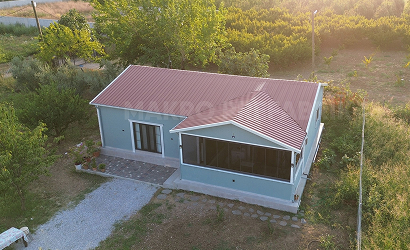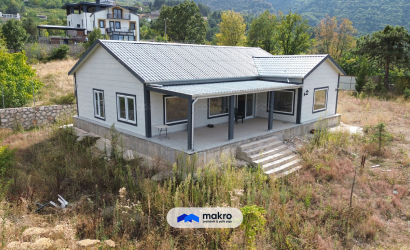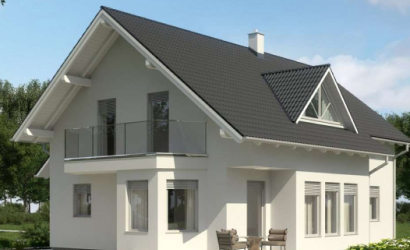
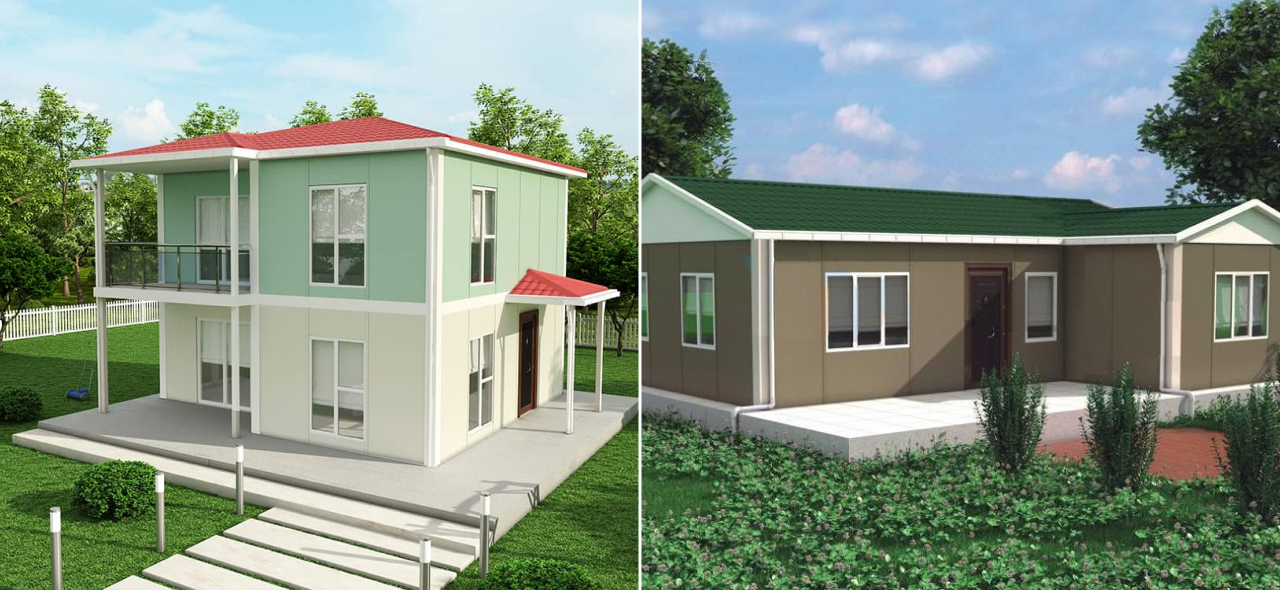
Portable villas, suitable for modern lifestyles, can be built quickly, and generally offer a more affordable housing option. However, despite their single-story and two-story prefabricated villa prices being quite reasonable, there are many factors to consider when choosing between them. Single-story villas are ideal for the elderly or individuals with mobility restrictions. They provide access to all living spaces without the need for stairs. Single-story structures typically require less material and labor, which can result in lower construction costs. Heating and cooling expenses may also be reduced, as a single-story home has less internal volume.
Compared to a two-story villa built on the same land, single-story villas may have a more limited living space. Two-story villas offer more living area and can provide additional rooms or storage space. A two-story structure can help you fit more housing units on the same plot of land. Typically, bedrooms are located on the ground floor, while living areas are placed upstairs. This can offer greater privacy. Your choice of portable villa should be based on your needs and preferences. If privacy and more living space are important, a two-story villa might be a better option. If lower cost and easy access are priorities, a single-story villa is more suitable. Additionally, factors such as land size, budget, family structure, and lifestyle also influence this decision.
Portable homes represent a significant shift in the construction industry and are expected to become more widespread in the future. The advantages of single-story villas look very promising. Faster construction processes, environmentally friendly approaches, high-quality control, and lower costs are advantages that encourage greater adoption of prefabrication in the construction sector. However, like any construction project, prefabrication requires careful planning and expertise. In the future, these new approaches are likely to be refined and developed further, making a substantial contribution to the industry.
Prefabrication is a key method for speeding up the construction process. Building components produced in factories are later assembled on-site. This allows projects to be completed much more quickly compared to traditional construction. In the future, this rapid construction process could help respond more swiftly to urgent housing needs.
Prefabrication enables more efficient use of construction materials and resources. Additionally, manufacturing processes in factories can focus more on recycling and energy efficiency. This can contribute to the industry adopting a more eco-friendly approach.
These homes undergo strict quality control procedures in factories. This ensures more consistent and higher-quality structures. In the future, quality control practices are likely to become even more advanced and standardized.
While traditional prefabricated homes may seem to offer limited design options, this could change in the future. More manufacturers may emerge offering greater customization choices. This allows customers to create more personalized and unique residences.
Prefabrication can reduce labor and material costs. Making construction projects more affordable can help more people become homeowners.
The maintenance and repair of prefabricated houses are generally easier. Renovation processes can be faster and smoother. This can lead to long-term savings for property owners.