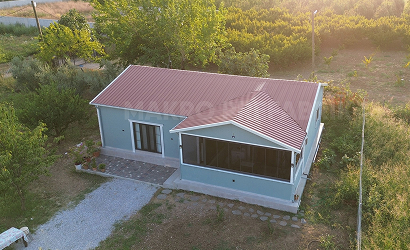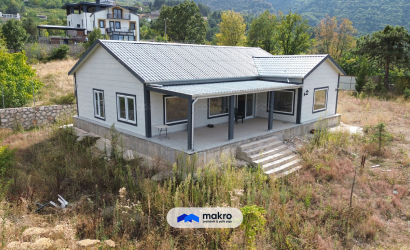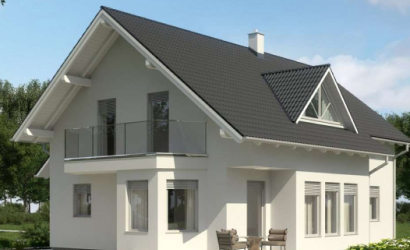
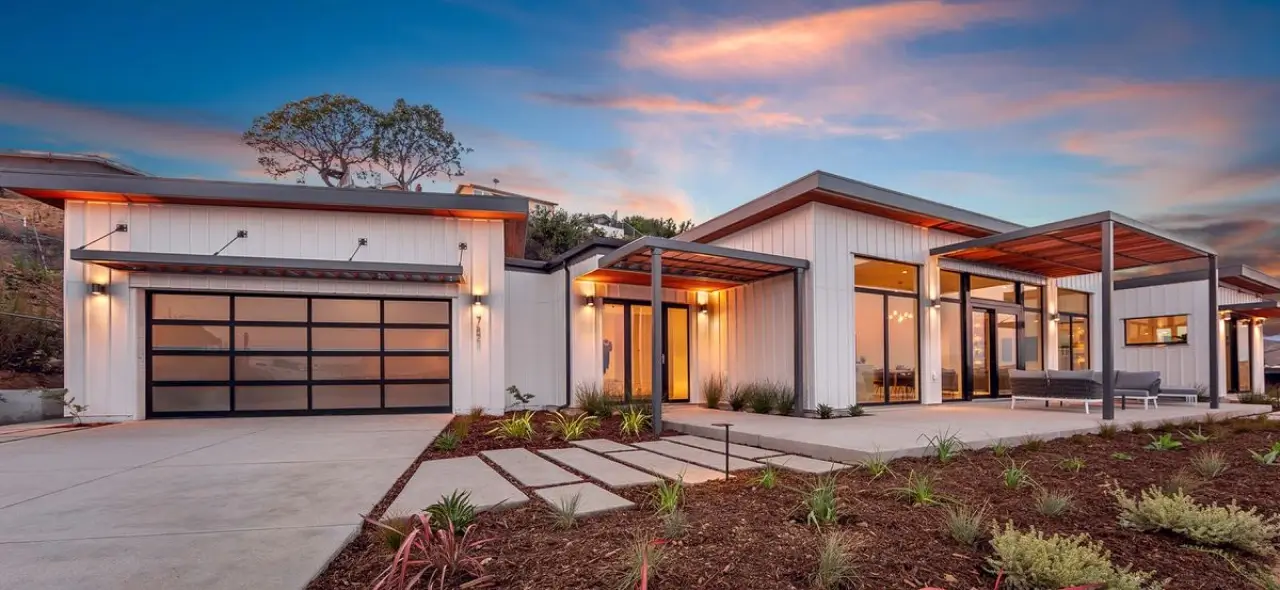
Prefabricated and traditional construction methods both offer different advantages and disadvantages. However, one of the most frequently asked questions is which one is cheaper. We have researched this for you and in this article, we will discuss the differences in costs between prefabricated and traditional construction.
This type of building can be faster and cheaper than traditional construction because most of the construction process is done in the factory. The parts produced in the factory are pre-made and molded, which reduces costs. Prefabricated house prices models can also reduce the amount of materials used during construction, unlike traditional structures. Prefabricated construction methods also save energy during the building process. Transporting factory-produced parts requires less time and energy on the construction site. This results in lower energy costs. Additionally, these structures can have a higher insulation level, which further saves energy.
The cost differences between prefabricated and traditional construction methods depend on many factors. The size of the building, its design, and the location of the construction site are the most important factors determining costs. These construction methods are generally cheaper than traditional methods. Portable structures, due to the use of pre-produced parts, reduce labor costs and time loss during construction. Additionally, since these structures are typically made with less material, they also save on material costs. They can also have a higher insulation level, which saves energy and results in lower energy costs.
There are many differences between prefabricated and traditional construction methods, and each has its own advantages and disadvantages. For example, a prefab holiday home you order is both faster and cheaper than holiday homes built with traditional construction methods. Additionally, portable structures are more customizable and more durable. In conclusion, the most suitable construction method is prefabricated construction.