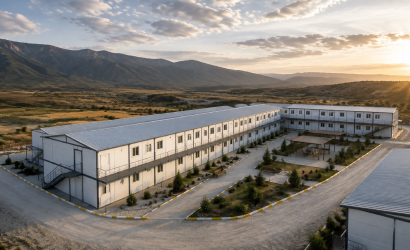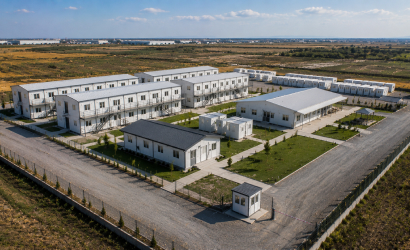
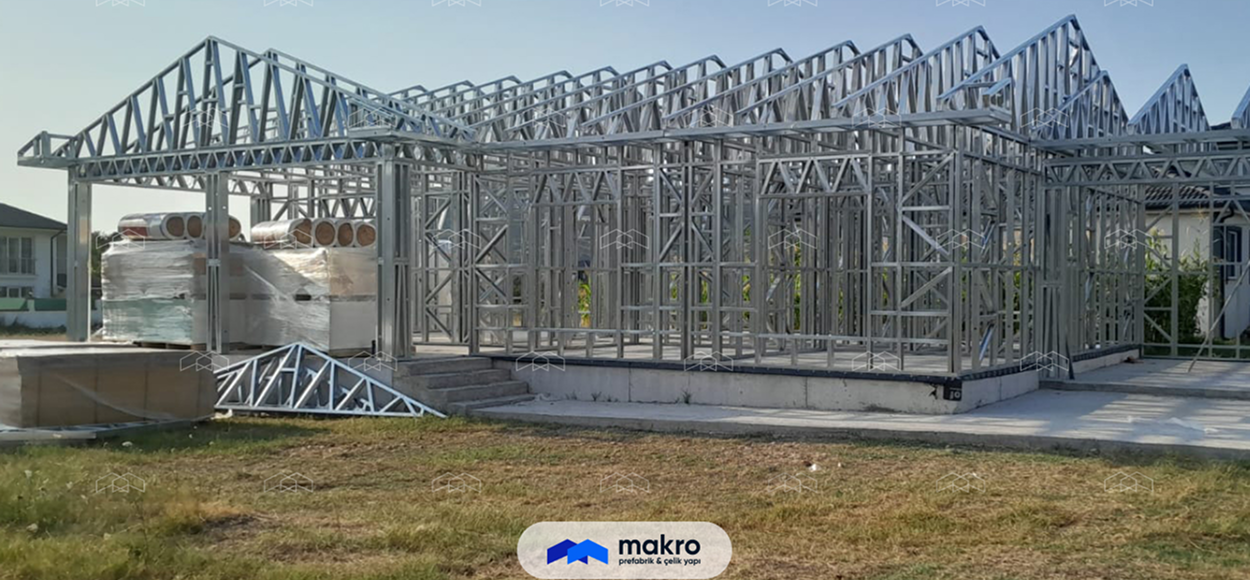
Credit can be used for prefabricated houses, but the process is a bit more cautious compared to a standard apartment purchase. The first issue the bank examines is whether the structure truly falls within the scope of residential financing. The title deed status, building use permit, appraisal result, income situation, and legal status of the land are evaluated together. In other words, the credit matter is closely related not only to the house's appeal but also to the documentation. It is clearly seen that residential financing can be used for the house to be purchased or built, and that title deed and income documents are among the fundamental documents in housing loans.
A bank loan can be obtained for a prefabricated structure. However, not every prefabricated building is automatically considered suitable for a standard housing loan. In practice, banks proceed based on documents proving the residential nature of the structure to be purchased and the appraisal result. It is stated that the title deed of the property subject to the housing loan should be in the form of a condominium ownership or a condominium right. If there is a condominium right, the process can be considered within the scope of a housing loan with a building use permit. This indicates that loans are available for prefabricated houses, but the documentation must be strong. Financing for a house to be built is also possible. Housing finance agreements mention financing the house to be purchased or built. The practical conclusion here is: if the land is suitable, the permit process is correct, and the project is clear, the possibility of a loan for a prefabricated house remains on the table. A well-prepared file from the start makes a significant difference at this stage.
From the bank's perspective, the primary concern is the quality of collateral and repayment ability. Therefore, income documents, the loan application form, and a photocopy of the title deed of the house to be purchased are among the basic documents. In some products, a building use permit is explicitly required. Additionally, the appraisal process is mandatory, and the consumer pays the appraisal fee. In short, the bank examines the customer's repayment capacity and the suitability of the property for a loan simultaneously. The sensitive aspect of prefabricated structures is how the structure appears in the land registry and municipal processes. Progressing without completing steps such as zoning, permits, application documents, architectural plans, electrical plans, mechanical plans, and soil surveys becomes difficult. Therefore, before applying for a loan, simply choosing a model is not enough; the legal framework on the land must also be ready. It is explained that built-in structures are subject to zoning and that the permit process is conducted through the municipality.
The application file generally includes similar documents. ID, income statement, and a photocopy of the title deed are among the main requirements in most banks. If the structure is not yet at the condominium ownership stage, a building use permit can also be an important part of the process. For self-employed individuals, additional documents such as a membership certificate from a professional chamber or a trade registry gazette for company partners may be requested. In other words, the file is not limited to just an individual income statement. Depending on the nature of the application, both the structure documents and customer documents are completed together. At this point, where and under what status the house will be built also becomes decisive. If the loan is only for land purchase, it is noted that some land must be within municipal boundaries and be zoned. If the prefabricated house will be built on land that is still only at the land stage, the loan plan can change accordingly. This distinction is often overlooked. Land loans and housing loans are not the same process.
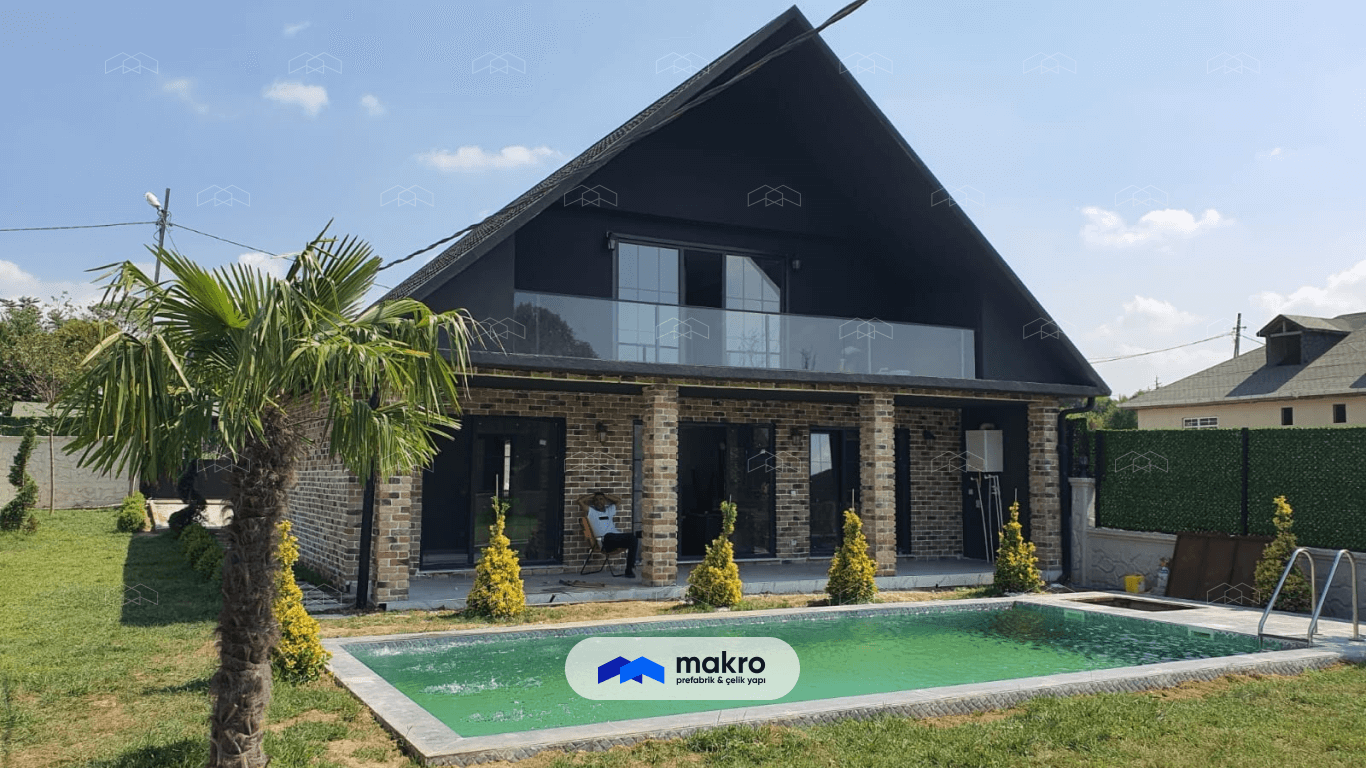
The most challenging aspect of a loan application is often the lack of a sufficiently realistic budget. Looking only at the house price leaves the file incomplete. Permit, ground preparation, project, infrastructure connections, appraisal, mortgage setup costs, and in some cases insurance costs should also be considered. The total cost of mortgage setup fees and other expenses clearly affects the overall budget. Therefore, prefabricated house prices as well as non-loan expenses should be known from the start. It provides insight when setting the budget. It is stated that by the end of 2026, the starting price for turnkey prefabricated houses begins at 323,800 TL, with single-story prefabricated house options ranging from 40 m² to 149 m². It also offers a clearer idea of what kind of down payment and monthly installment burden can be encountered at different square meter sizes. In families planning a single-story prefabricated house, smaller but well-designed square meters can make the loan burden more balanced.
Not every standard housing loan results in a positive outcome. In such cases, it does not mean that there is a complete dead end. It is seen that individual financing products with collateral are offered as an alternative, where a mortgage is established on the property and additional collateral can be requested if necessary. In practice, this option can be considered an alternative in some files where the title deed and usage conditions do not fully align with a standard housing loan. The important point here is that these types of loans often have shorter maturity periods than traditional housing loans.
The thing that facilitates the process is clarifying the file internally before going to the bank. If the land's zoning status is clear, permit steps have started, the title deed status is appropriate, and income documents are ready, the application proceeds much more smoothly. Otherwise, the bank side may delay or the file may remain incomplete. The safest way in the prefabricated house loan process is to organize the documents before liking the house. When viewed this way, legal and technical preparations are also part of the real decision. A well-prepared file makes the bank process less intimidating. If the income structure is reasonable, the title deed and permits are clean, the project is clear, and the appraisal foundation is strong, the likelihood of a loan for a prefabricated house is quite realistic. The best approach is not to rush to finalize the process but to establish a loan-appropriate structure file. Applications that proceed this way tend to be calmer and less likely to encounter surprises later.