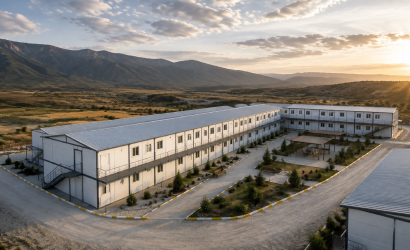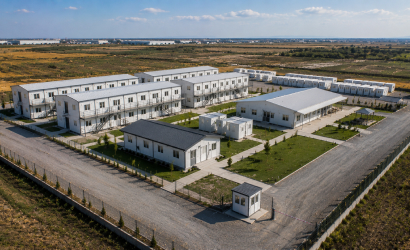
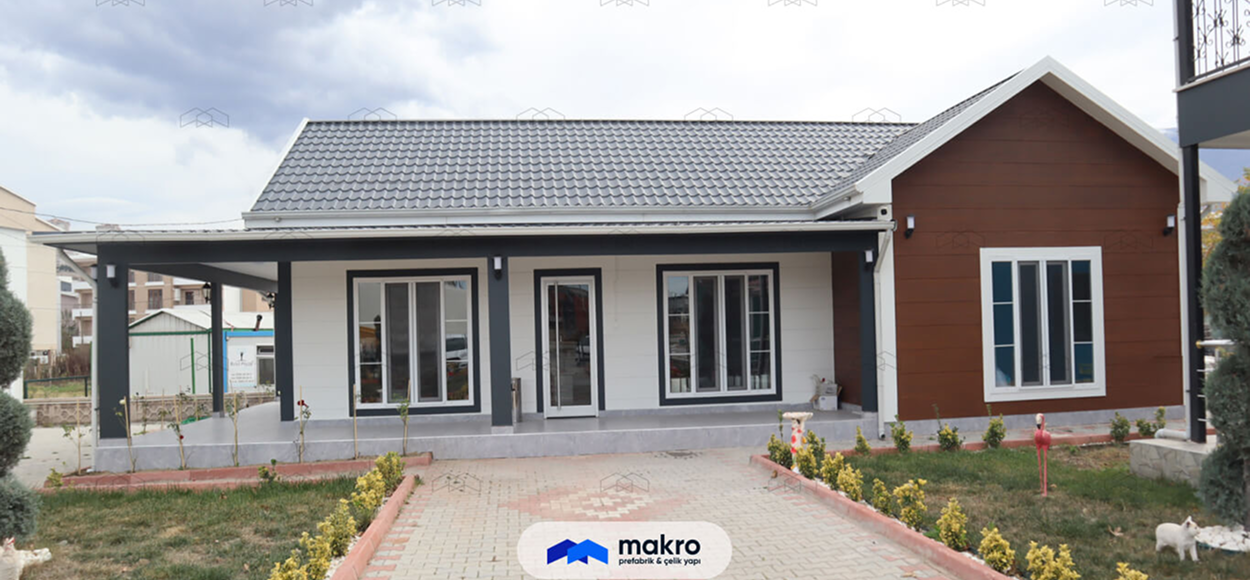
When discussing earthquakes, people naturally first think of safety. Saying that all steel houses perform equally well is not accurate. Still, properly designed, ground-appropriate solutions with clean connections in steel structures provide a strong alternative against tremors. The ductile behavior of steel, its flexibility, and its allowance for lighter structures play an important role in controlling earthquake loads. How the structure is designed, what the ground conditions are, and how the work is implemented on-site are as decisive as the material itself.
Earthquake resistance is not determined solely by the name of the material. The arrangement of the load-bearing system, the weight of the structure, the balance of the floor plan, the foundation solution, and connection details all work together. FEMA documents clearly state that seismic design criteria are determined based on ground type, building location, and intended use. The same sources list ductility, rigidity, drift, and structural configuration as factors affecting building performance. In steel frame systems, ductility and flexibility contribute to a more controlled distribution of energy during an earthquake. On-site experience shows a similar picture. Technical content shared openly indicates that systems built with steel frames and panels are more resistant to collapse, and the risk of deformation and settlement on a proper concrete foundation is reduced. The clear conclusion is: earthquake safety is not just about the steel profile. When foundation, load-bearing system, and connection decisions complement each other, the building gains a more secure character. Single-story steel house preference for many people stems exactly from this integrity and sense of security.
The strongest aspect of steel systems against earthquakes is their ability to allow controlled deformation alongside high strength. Engineering sources define ductility as the capacity to deform without sudden loss of strength after yielding. This is what matters most during an earthquake. When a structure can absorb incoming energy with more manageable movement rather than brittle behavior, the risk of collapse decreases. The flexibility of steel also supports this behavior. In lightweight steel frame solutions, the total mass is reduced, so the seismic forces transferred to the foundation remain more controlled compared to heavier systems. This advantage becomes more apparent in low-rise buildings. Open content states that single-story structures are less affected by tremors and wind due to their low height, and steel skeletons increase durability with strength and flexibility. An important point here is that not every low-rise building is automatically considered safe. Limiting the number of stories in a single-story steel house, having a simpler vertical load distribution, and easier readability of the load path provide advantages in earthquake design.
It is not healthy to declare one system as a clear winner over the other in just one sentence. Both systems can be made safe with proper engineering and correct implementation. However, some differences in structural behavior are clear. According to data from the World Steel Association, in regions with earthquake risk, lightweight steel solutions have lighter foundation loads compared to reinforced concrete solutions, and steel frames offer advantages in ductility and flexibility. The lighter building mass provides the designer with additional flexibility in managing seismic forces. On the reinforced concrete side, performance largely depends on reinforcement details, concrete quality, column-beam continuity, and implementation discipline. In steel houses, connection details and frame behavior take precedence, while in reinforced concrete, the distribution of mass and rigid elements plays a larger role. Ultimately, the issue is not just about material but how the material is integrated into a system.
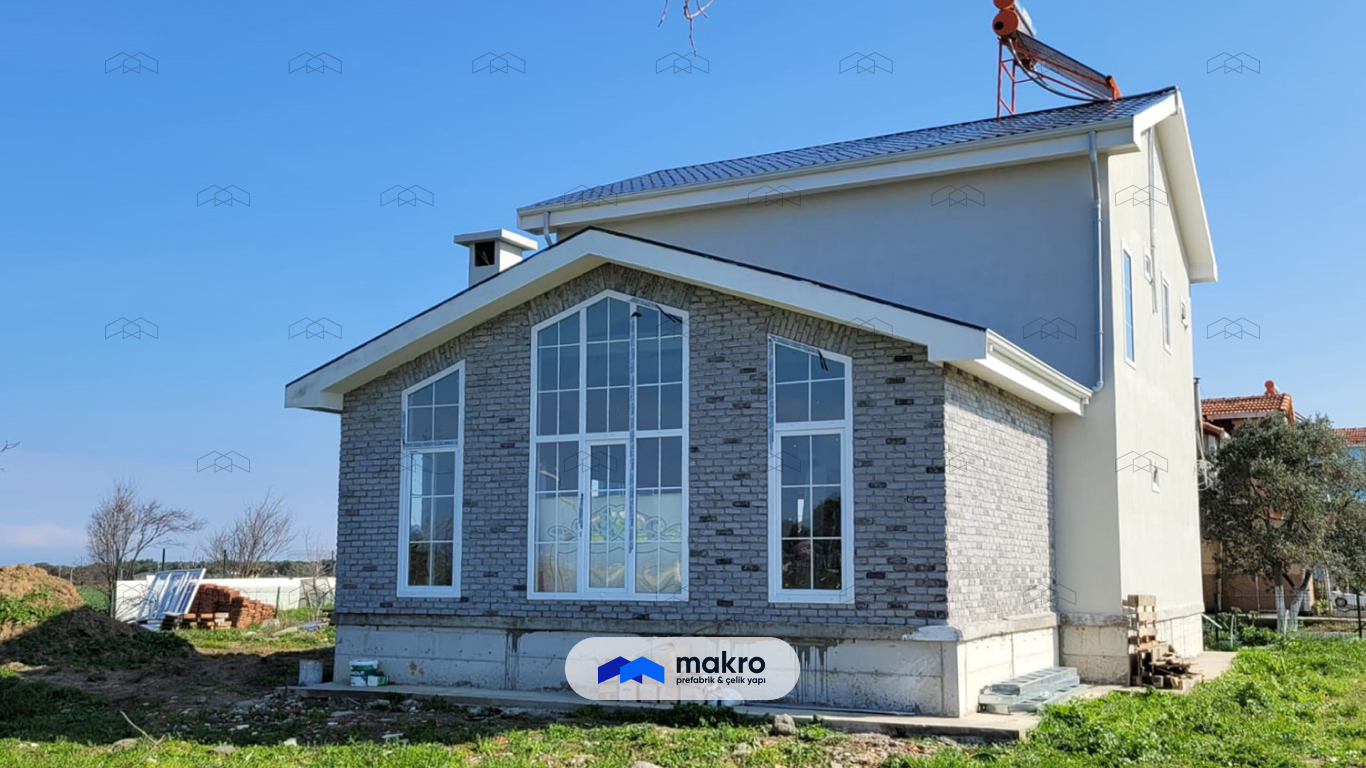
One of the most overlooked topics when discussing earthquake resistance is workmanship. Even if a high-quality profile is chosen, incorrect cross-section use, weak connection details, faulty assembly, or inadequate foundation application can negatively affect the structure's behavior. Another content explains that steel frame houses carry both strength and flexibility together. This shows that the project on paper and the on-site application must proceed with the same meticulousness. People most often ask about costs first. Steel house prices alone are not enough to make a decision. A lower offer does not always mean a safer structure. Material thickness, load-bearing system solution, connection detail, corrosion protection, and foundation quality form the real picture behind the price. Those seeking a solid structure should also read the technical details as much as the cost.
When choosing a house in an earthquake zone, the project discipline should be questioned before the material aspect. Ground survey, foundation system, arrangement of load-bearing axes, connection details, and the symmetry of the plan are primary concerns. FEMA sources also state that ground conditions at the site influence the impact of tremors, and the building's performance is closely related to the building type, geometric irregularities, and ground conditions. In short, a good steel system alone cannot compensate for poor ground. A good project, however, enhances the advantage of the structure by producing a ground-compatible solution. To put it in more everyday language, house selection in an earthquake zone should not be based solely on catalog photos. Questions like: Is it a single-story or two-story plan? How are the openings resolved? How was the foundation decided? How does the wall and roof system integrate with the load-bearing structure? These are important. When planning a single-story steel house, the advantage of being a low structure, combined with the correct load-bearing arrangement and clean implementation, results in a stronger outcome. A calm design language, balanced static solution, and disciplined assembly together make steel houses a serious safety alternative against earthquakes.