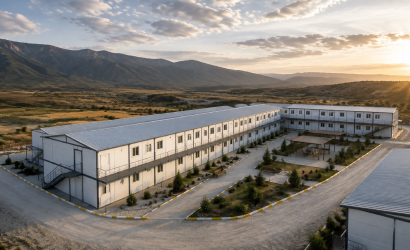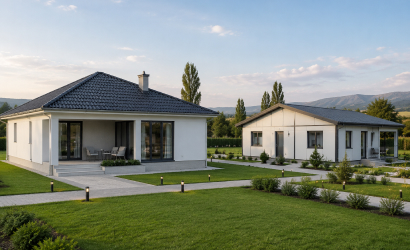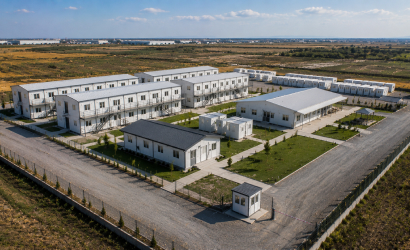
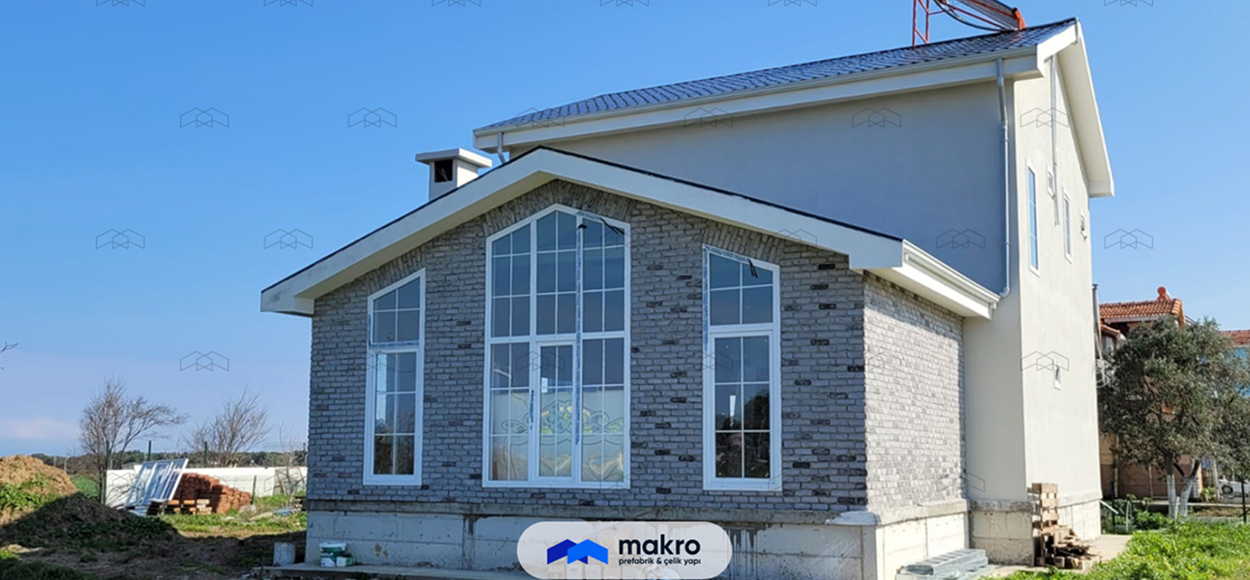
When considering a new house, one of the most frequently asked questions is durability. It is a valid question. People want the space they will live in not only to look good but also to provide confidence over the years. The durability of prefabricated houses cannot be explained with a single answer. When the load-bearing system of the structure, panel thickness, roof material, ground preparation, workmanship, and maintenance arrangements come together, the true picture emerges. Details such as 10 cm exterior wall thickness in single-story models, interior wall options ranging from 6 cm to 10 cm, PVC joinery, and painted galvanized sheet roof coverings are seen. These details are important to understand that prefabricated structures are not short-lived temporary solutions.
When discussing how durable a structure is, it is not enough to only look at the exterior facade. The main difference is determined by the load-bearing system, wall structure, and roof layer. In open content, it is explained that prefabricated houses are produced with corrosion-resistant galvanized steel, insulated materials, and fire-resistant structural elements. The same content also states that the engineering aspect is designed considering earthquake and wind loads. The sense of durability is created exactly here. A visually simple structure can provide comfortable use for many years when prepared with the right materials. For those choosing single-story prefabricated houses, this simple structure also offers a clearer arrangement in terms of maintenance and inspection. Another decisive factor is the purpose of use. Expectations for a summer house, a permanent living space, or a house considered as a second residence in rural areas are not the same. As the usage period increases, insulation, window quality, roof covering, and exterior paint type become more important.
One of the main factors determining durability is the load-bearing system. It is clearly explained that prefabricated houses are produced using steel panel construction and galvanized supports, and that a steel skeleton made resistant to corrosion provides a longer-lasting structure. The steel infrastructure supports the house in carrying its own load more controlled. This means more balanced behavior in the walls and roof. Although the house appears lightweight from the outside, a lightweight load-bearing system does not mean it is weak. On the contrary, when properly designed, it facilitates load management. Panel thickness is also an important factor here. It is observed that exterior walls of single-story models can be 10 cm thick, and interior walls can vary between 6 cm and 10 cm. As wall thickness increases, the balance of the building shell and the sense of insulation also strengthen. Painted galvanized sheet is offered as the primary roof option, with alternatives such as metal tile and shingle also available. This variety makes it easier to decide according to the climate of the region where the house will be built. In a rainy area, the roof material may be more critical, while in areas with intense sunlight, a different balance may be sought.
When discussing the durability of prefabricated houses, earthquake and wind issues should be addressed separately. The content related to wind resistance emphasizes that the main critical point is the anchoring to the ground. In other words, how the house is connected to the ground is also important. When the anchoring system is correctly installed, the structure's behavior under wind load is more balanced. This significantly affects the feeling of safety experienced on site. Regarding earthquakes, the structure's weight and number of floors are noteworthy. Low-rise structures generally have a simpler load distribution. Therefore, single-story prefabricated house solutions are meaningful both for those seeking practical living and for those wanting a calmer structural arrangement. Two-story models are also available, but the control and maintenance of a low-rise structure are perceived as easier. Mentioning permits for up to two floors in open content and considering two-story models as resistant to natural disasters shows that different types can be implemented with proper engineering.
The behavior of a structure over the years is as important as its initial solidity. The core factors in the answers to how long a prefabricated house lasts are material quality and maintenance routine. Protecting the steel skeleton from corrosion, ensuring the roof covering drains water well, proper installation of joinery, and regular inspection of the exterior facade are key to extending its lifespan. Open texts emphasize that with proper maintenance, these houses can be used for many years. Durability is not a one-time setup that can be forgotten. Small but regular inspections provide long-term comfort. The roof material is particularly important here. Painted galvanized sheet is described as a strong and insulating option. Alternatives like shingle or metal tile are also available for quieter and more aesthetic expectations. Proper roof selection not only affects appearance but also influences rainwater drainage and indoor comfort. When the wall and roof are considered as a whole, the structure provides a more balanced performance in daily life.
For those seeking durability, the decision should not be based solely on square meters or appearance. Wall thickness, roof choice, window system, plumbing arrangement, and the climate of the region where it will be installed should be considered together. Prefabricated house prices are often shaped by these details. A seemingly lower-budget option that does not meet expectations in terms of roof or insulation may not provide the desired comfort in the long run. Therefore, when evaluating the price, it is necessary to read the material content with equal care. A good prefabricated house is not only valuable because it is quickly assembled. Its true value lies in offering a well-maintained, reliable, and manageable living space even after many years. When a proper foundation, good load-bearing system, balanced panel structure, and clean workmanship come together, prefabricated houses become a strong choice. The perception of short-lived temporary structures is often a leftover from old examples. Structures with up-to-date technical features, when built under proper conditions, easily adapt to long-term use.