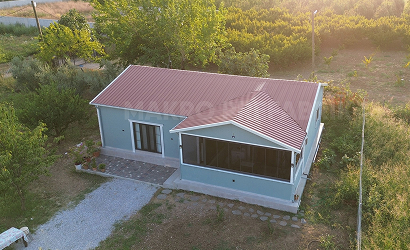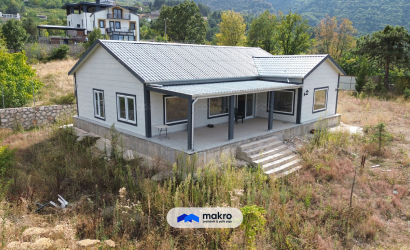
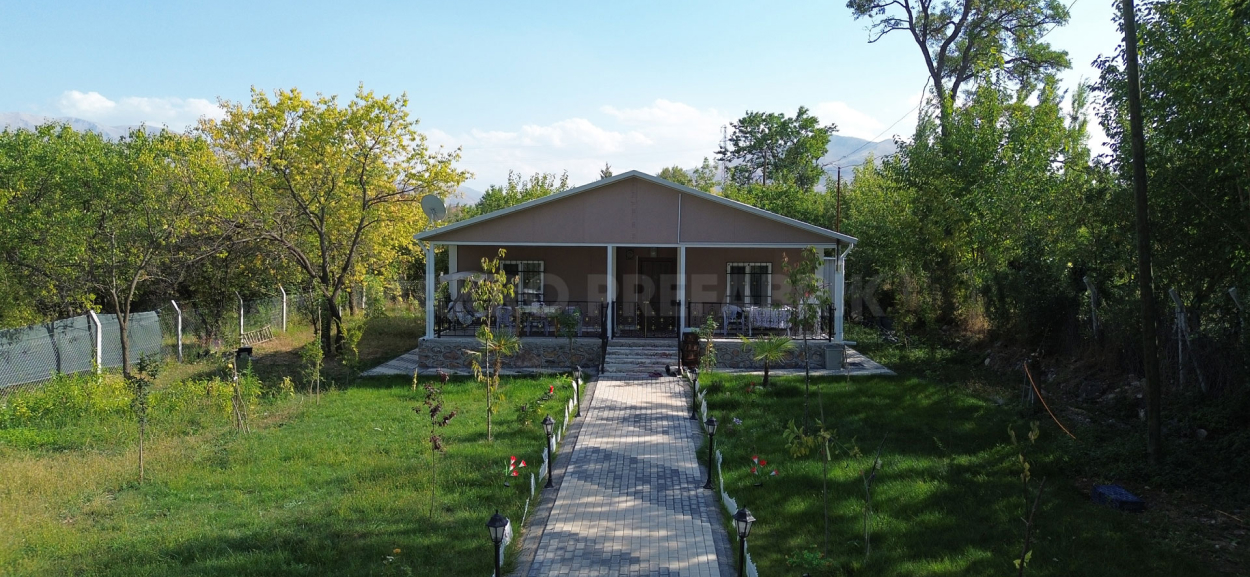
Fields are areas designated for agricultural activities, which are a fundamental source of livelihood for humanity. However, sometimes the idea of building a house on agricultural land can come up. In rural areas, structures such as prefabricated vineyard houses are often constructed. According to general regulations, building a house on farmland is not permitted. Fields are protected as agricultural areas designated for farming activities. Preserving agricultural land is extremely important for the continuity of food production and sustainable agriculture. There are several reasons why building a house on farmland is not possible. First, there are legal regulations related to the protection of agricultural land. In most countries, the use of farmland and the construction allowed on it are subject to specific rules. These rules are generally aimed at protecting farmland and ensuring the sustainability of agricultural activities.
The ecological impacts of building houses on farmland are significant. Constructing houses on agricultural land can reduce productivity and disrupt ecosystems. Loss of farmland can lead to decreased food production and harm local economies. However, building activities are also inevitable to meet people's living space needs. In such cases, areas referred to as "land plots" are generally preferred for construction instead of farmland. A land plot is an area with building permits, typically designated for residential or commercial use. If someone is considering building a house on farmland, they should first obtain information from local authorities and secure the necessary permits. However, generally, permission to build on agricultural land is not granted. Instead, land plots designated for construction should be used. The procedures required for building on land plots are outlined in local planning and construction regulations.
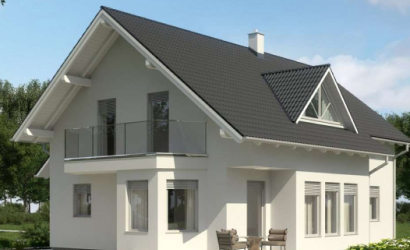
Portable structures attract attention not only because they are quick to assemble and cost-effective but also because of their innovative design and customization options. Since portable structures are manufactured in factories, they can have a standard design. Customers can personalize their homes as they wish, creating a home that suits their tastes, needs, and budgets. It is important that the house complies with legal regulations and is structurally sound from an engineering perspective. After all, we cannot ignore durability just because a structure looks beautiful. Additionally, the overall design of these houses is often innovative and eye-catching. Besides the standard designs commonly seen in traditional houses, these homes offer different and modern design options. Whether someone prefers a minimalist, industrial, rustic, or contemporary style, suitable house designs are available.
Personalization options are available for these types of houses. Customers have the opportunity to choose the materials, colors, fixtures, and even the layout of rooms used in the interior and exterior design of their homes. This allows customers to create a house tailored to their needs and preferences. Moreover, the design and personalization features of these houses are important not only aesthetically but also functionally. For example, customers can optimize their homes for energy efficiency or add customized storage solutions.
Portable structures have become a highly popular and increasingly versatile concept in the housing industry in recent years. Besides being faster, more economical, and environmentally friendly compared to traditional building methods, these homes have a wide range of uses. Additionally, prefabricated toilet and shower units are also very affordable and can be used on construction sites, mines, and more. In short, they can be used wherever portable toilets are needed. When it comes to portable homes, the most common use is as residences. Portable structures can range from single-family homes to multi-story apartment buildings. Thanks to technological advancements, they can now be as comfortable and aesthetically pleasing as traditional buildings. Moreover, their quick construction in areas with housing needs makes them a preferred option.
Portable structures are also a popular choice for holiday homes in vacation spots or rural areas. Vacation homes are typically smaller and designed to blend harmoniously with the natural environment. Portable buildings offer quick solutions during intense construction periods in holiday resorts, providing vacationers with a comfortable and peaceful accommodation experience. Some business owners can even create very functional tiny houses and guesthouses from these structures. Additionally, natural disasters such as earthquakes are a reality in our country. In this regard, these types of homes are often preferred to meet temporary shelter needs in disaster zones or emergency situations. These homes can be quickly assembled and used for the required duration. Compared to tents or shelters, portable structures provide more durable and comfortable temporary housing.
These types of structures are not only suitable for residences but can also be used for offices, shops, cafes, and other commercial spaces. Thanks to their rapid assembly times and cost-effectiveness, businesses can quickly open new branches or establish temporary office spaces using these structures. As a result, the usage areas of homes are expanding and diversifying. With flexible design options, quick installation, and affordable costs, they offer solutions suitable for many different needs. Therefore, they hold an important place in the housing sector and are used in many other fields today.