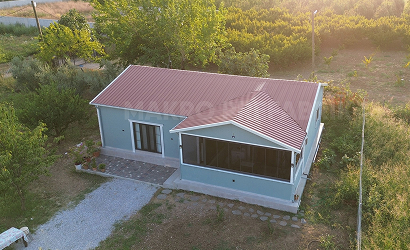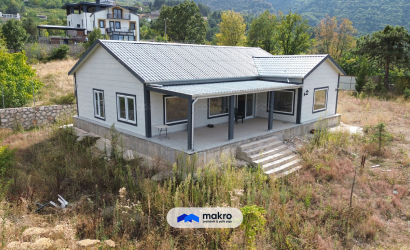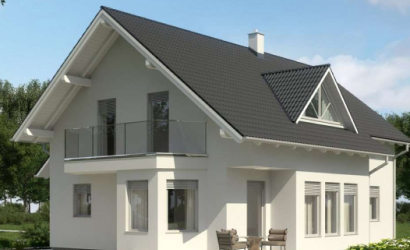
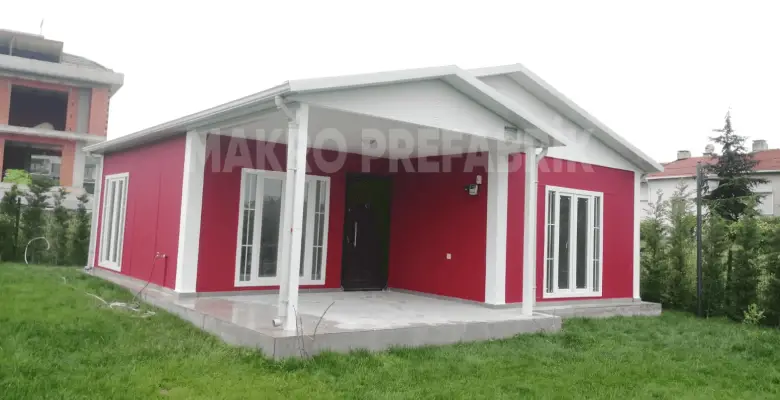
Prefabricated buildings are generally structures whose components are produced in a factory environment and then assembled on-site by technical personnel. These types of buildings are frequently preferred today due to their economic efficiency and safety. At this point, one of the most common questions is whether prefabricated structures are resistant to earthquakes and weather conditions.
All prefabricated structures are built to be much more earthquake-resistant compared to other reinforced concrete buildings. Additionally, structures built with sound and heat insulation also withstand harsh weather conditions and strong winds. In this way, you can confidently choose prefabricated buildings that meet users’ expectations and needs, offering a comfortable, economical, and extremely quick construction process.
Are Prefabricated Buildings Suitable for All Seasons?
The question of whether prefabricated buildings are suitable for year-round use is frequently asked. Many prefabricated structures are built with a robust and insulated system that allows them to be used throughout all four seasons. These buildings, which can be applied anywhere in Turkey, can be equipped with additional insulation features if necessary, considering the seasonal conditions of the region where they are installed. Moreover, structures resistant to wind are ideal for cold weather with their thermal insulation.
What Types of Prefabricated Buildings Are There?
Today, prefabricated site offices serve many different purposes. These economical and safe structures are frequently preferred by many individuals and organizations. The most common types of prefabricated buildings include:
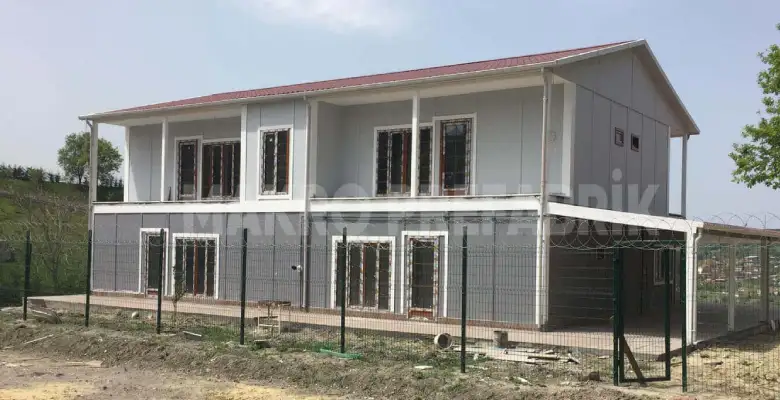
At this point, structures are designed with different exterior and interior features depending on their intended use. It is also extremely important that all these types of buildings are insulated and resistant to earthquakes. Generally, prefabricated structures are built on a steel frame system and are designed to be minimally affected by earthquakes. Additionally, these structures are produced with thermal insulation to withstand wind and severe weather conditions.
What Are the Advantages of Prefabricated Buildings?
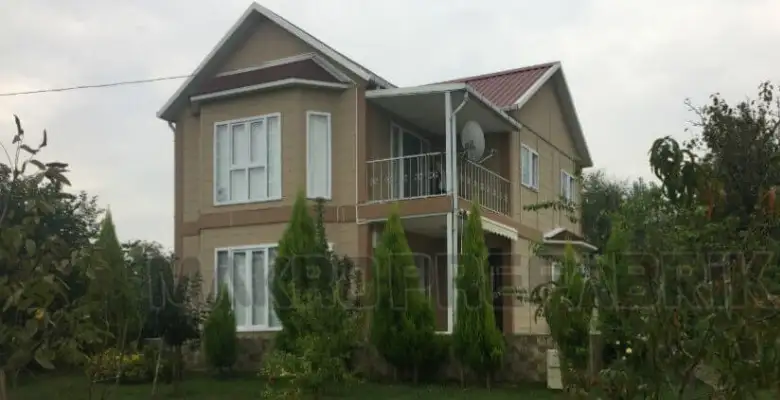
Especially insulated prefabricated buildings have many advantages. Designed to be highly durable, prefabricated structures with their lightweight design are minimally affected by earthquakes. Prefabricated houses are assembled by connecting disassembled parts with steel screws, which causes some flexibility. Thanks to this flexibility, there is no risk of collapse or failure in the structures. Additionally, since prefabricated buildings are mounted on a steel framework, they are very safe. On the other hand, prefabricated structures are built to be resistant to all weather conditions with insulation, making them suitable for use across Turkey.
How Are Prefabricated Building Costs Determined?
Prefabricated structures with an extremely long lifespan offer very economical options. You can choose prefabricated buildings for safe, comfortable, and cost-effective spaces.
Most prefabricated buildings can be constructed at low costs. On the other hand, factors such as the number of floors, size, materials used, and interior design features directly affect the prices. Especially in this field, Makro Prefabrik, working with experienced and expert teams, listens to customer requests and designs projects accordingly.
After the 3D computer-aided design of the project, costs are determined based on the needs of the individuals. Additionally, prefabricated structures, often referred to as ready-made buildings, are advantageous for their quick construction. You can confidently choose prefabricated buildings that are quickly installed in the designated area.