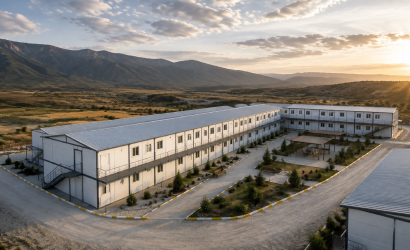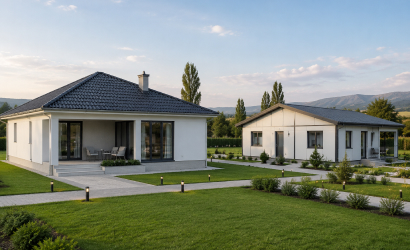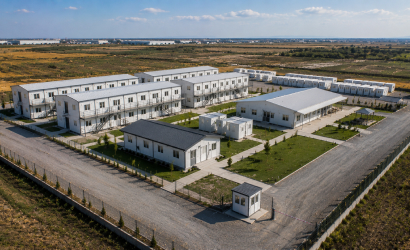
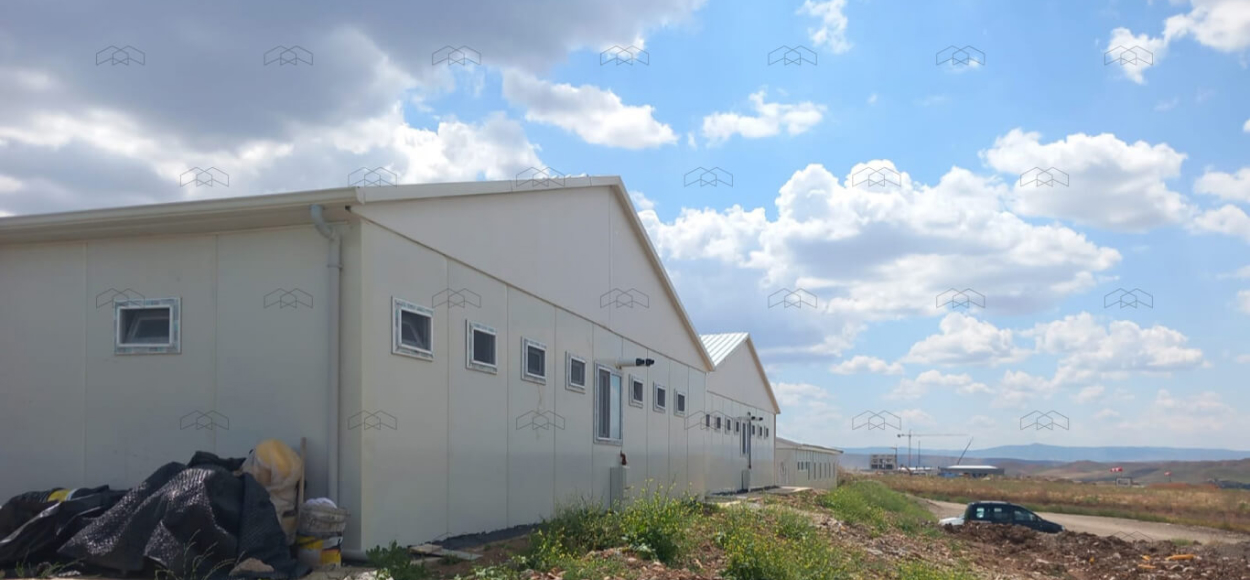
Teams working on large or medium-sized sites need a regular workflow and living environment. Prefabricated construction site structures come into play exactly at this point. The assembled building group is not considered as a single building in most projects. Administrative areas, accommodation sections, dining areas, hygiene spaces, and technical support points come together to establish the daily order on site. Current content on site solutions describes modular planning of offices, dining halls, dormitories, infirmaries, showers, toilets, storage, and social areas, with the possibility of adding new modules as needs increase.
The first backbone of a construction site structure is the administrative section. The daily work schedule, site meetings, document flow, and visitor management usually take place here. Inside, there is generally an executive office, an open office layout, a meeting area, a technical control section, and a document storage area. In larger projects, separate rooms are added for purchasing, human resources, site coordination, and control engineering. It is clearly emphasized in building guides that office areas should be planned to provide flexible, secure, healthy, and comfortable working conditions. The goal here is not to establish an ostentatious office but to create a clear order that ensures smooth workflow. A waiting point near the entrance, a desk arrangement suitable for quiet work inside, and a closed section for meetings facilitate more efficient communication within the site. prefabricated site plan, the cleaner the office section is designed, the easier the site management feels.
If the team stays on-site, the accommodation section holds particular importance. The bed arrangement, wardrobe space, personal item organization, ventilation, and thermal insulation directly affect daily comfort. Product pages show that dormitory modules are often planned as one of the main components of the camp structure. In larger settlements, separate blocks can be built for technical personnel and site teams. In some projects, prefabricated dormitories are located within walking distance of dining and hygiene areas, making daily life more comfortable. Merely placing beds is not considered sufficient on the accommodation side. Wardrobes, drying facilities for wet clothes, a sense of personal space, and secure circulation for night use are important. Lockers or locked areas where workers can safely store their clothes and belongings are also among basic needs. When rest and work areas are not mixed, the team has a more organized day.
The dining area is one of the most heavily used sections on the site. People take a short break here, step away from the day's pace, and return to work. In the dining section, the arrangement of seating, service flow, and ease of cleaning are important. Modular dining structures prepared for large projects often feature a central seating area along with kitchen or service modules planned together. On the social side, solutions such as a resting corner, tea break area, short meeting corner, or television area can be included. Not every site follows the same layout. As the number of workers increases, the need for social areas becomes more apparent. The presence of social areas in prefabricated construction site structures is one of the details that directly affect the quality of life on site. When people can breathe during breaks, the day passes more evenly.
One of the most frequently asked topics in site layout is common areas. The most basic sections include:
Toilet and washing areas are expected to be clean, bright, and well-ventilated. They should be located close to the toilet and changing sections, and include hot, cold, or lukewarm running water, soap, and drying facilities. Providing sufficient tables, backrest chairs, and easy access to water in the dining and resting areas also ensures basic comfort. The first aid room or infirmary is a serious necessity for site safety. In current modular camp solutions, it is clearly seen that spaces such as office, dining hall, dormitory, toilet/shower, first aid, changing room, and storage are planned together.
The unseen but essential part of a construction site building is the technical infrastructure. When the electrical panel, mechanical lines, hot water system, climate control, lighting, and water installation are not properly set up, even the best layout can fall short. When site conditions become harsh, insulation, ventilation, and energy lines are crucial to keep indoor spaces operational. In modular solutions suitable for quick assembly, it is common to see electrical and mechanical infrastructure integrated into the structure, with panels and interior layouts supporting usage in all four seasons. Support spaces also include storage areas. Without designated areas for cleaning products, consumables, small equipment, and spare stocks, office or living areas can quickly become disorganized. Maintaining order within the site is often achieved not by large square meters but by well-separated small areas.
A small site with a few offices and a basic hygiene module does not require the same interior arrangement as a large project with hundreds of workers. In larger projects, dormitory blocks, large dining halls, infirmaries, laundry areas, multiple shower units, and separate storage sections are added. The strength of the modular system is most evident here. As needs grow, new modules can be added, and the layout can be developed step by step. Prefabricated site buildings include offices, dormitories, dining halls, toilet/shower areas, changing rooms, storage, infirmaries, and social spaces. In well-planned layouts, each section performs its function clearly. People work comfortably, rest, eat, and the daily pace on site proceeds more orderly. From the product content perspective, this is the clearest answer.