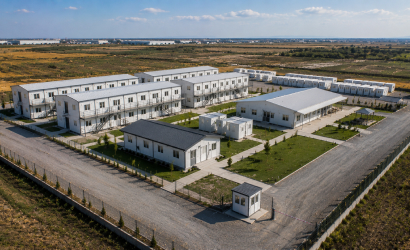
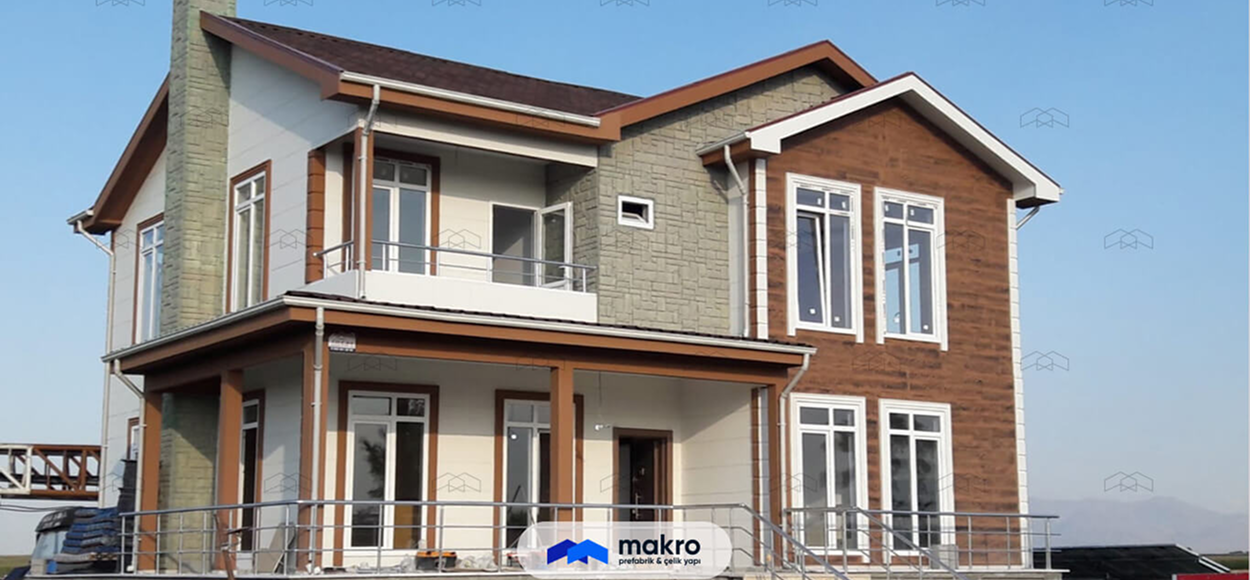
In most cases, a permit is required for Prefabricated offices. The main reason for this is that regardless of the building material, structures built on land and intended for use are evaluated within the scope of zoning regulations. Article 21 of the Zoning Law No. 3194 states that it is mandatory to obtain a building permit from the municipality or governor's office for all structures covered by the law. It is also explicitly stated that the task of issuing building permits and occupancy permits lies with the relevant authorities. This is the clear answer sought by the user. Being prefabricated does not automatically exempt the office from the permit process.
When discussing the necessity of permits, the first thing to look at is the function of the structure and the legal status of the land. Even if the structure will be used as an office and appears temporary, it is often subject to permits because it constitutes a workspace. The general rule in the Zoning Law is that a permit is mandatory for all structures. Industry publications also state that a zoning permit must be obtained for office buildings to be built on land, and that the type of structure alone does not constitute an exception. Therefore, Prefabricated office installation should not be thought of as just leaving a container. The permit process is the first step to ensure the structure is legally compliant.
The permit issue is clearer for parcels within municipal and adjacent areas. The general rule in the Zoning Law applies directly here. Whether it is a residential or an office building, it is subject to review by the relevant authority. The building permit is issued according to the parcel and project. This means: On land where the zoning status is inappropriate, building conditions are unclear, or plans conflict with zoning decisions, the fact that the structure is prefabricated does not simplify the process. First, the zoning status of the land is clarified, then building setback distances, building height, and usage decisions are determined. From the user's perspective, the practical approach is straightforward. Before making a purchase or installation decision, the zoning certificate should be reviewed. The land may be in an industrial area, a construction site, or a commercial zone. Still, the structure must proceed within a project and permit framework appropriate to its function. Support structures built along with the office on construction sites are also part of this plan. Therefore, for the same site where Prefabricated dining hall or social areas will be established, it is necessary to consider not only product selection but also usage decisions and administrative approval. As the installation area grows, document preparation must be more meticulous.
There are some exceptions when it comes to village settlements and hamlets. Article 27 of the Zoning Law No. 3194 states that building permits are not required for houses to be built in village settlement areas outside municipal and adjacent areas, and for certain structures that meet the needs of the village population. Examples listed include grocery stores, greengrocers, barbershops, village restaurants, promotional and display booths, and cooperative buildings. However, the same article clearly states that these structures' surveys and projects must be approved by the governor's office and reported to the mukhtar. This means that no construction can be carried out without some form of approval. The key distinction here is that prefabricated office structures intended for private use are not part of the exceptions listed in Article 27. Although it is mentioned that some public structures in rural areas may not require a zoning plan, these are public investments such as schools, health facilities, and security facilities. For a private office installation, the general permit approach should be considered applicable. In short, the term "village settlement area" does not imply exemption from permits for every structure.
In practice, there may be minor differences between municipalities, but the main document list is similar. The permit application letter, a current copy of the title deed, application sketch, map plan sample, zoning status, ground survey report, and architectural, static, electrical, and mechanical projects are among the frequently requested documents. For legal entity applications, signature circulars and authorization documents are also added. This list may seem long at first glance, but each item is necessary for structural safety and compliance with regulations. Preparing the file completely reduces the risk of delays at the municipality. The ground survey report is a silent but critical part of this process. Therefore, even if the site appears flat, proceeding without a technical survey is not advisable. The application sketch, zoning status, and ground report should be considered together. Projects prepared without these documents may be incomplete at the permit stage. The clearest way for the user to save time is to start by correctly gathering the required documents.
The most serious consequence of building without a permit is that the structure is considered illegal and subject to administrative procedures. Summaries of zoning regulations specify that structures identified as unpermitted must be processed under Articles 32 and 42. Moreover, even in cases where permits are not required, it is mandatory to obtain approval from the relevant municipality or governor's office before using the structure. This means the administrative process continues even after installation. Attempting to skip the permit and resolve issues later often results in a more complicated situation. Electricity, water, and other service connections are also linked to permits and occupancy approvals. Therefore, the safest approach in establishing a Prefabricated office is to complete the documentation first and then proceed to the site. Operational plans, personnel usage, and daily work routines only become fully clear once the structure is legally finalized. The permit process is not just paperwork; it is the fundamental step to making the structure truly usable.
The most accurate method is to create a short checklist before installation. First, the zoning status of the land should be checked. Then, the usage decision of the structure must be clarified. Next, a technical team should be designated for ground survey, application sketch, and project preparation. The current list of required documents should be obtained in writing from the relevant authority. When these steps are completed from the start, the process proceeds more clearly. Industry publications also emphasize that in construction sites, factories, and temporary work areas where office structures are frequently used, it is correct to clarify permit issues at the initial stage. The answer the user is seeking is actually very simple. Yes, in most cases, a permit is required. Even in rural situations where exceptions might apply, the project and permit process do not completely disappear. Therefore, focusing only on square meters, delivery speed, or exterior appearance during purchase is incomplete. A well-planned Prefabricated office investment first clarifies the legal framework and then provides comfort on-site.