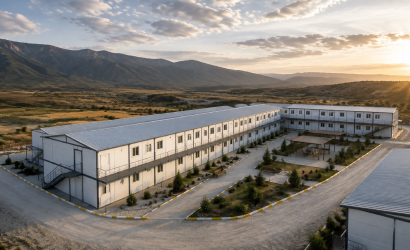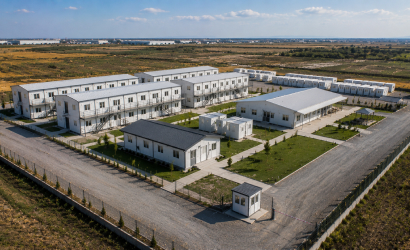
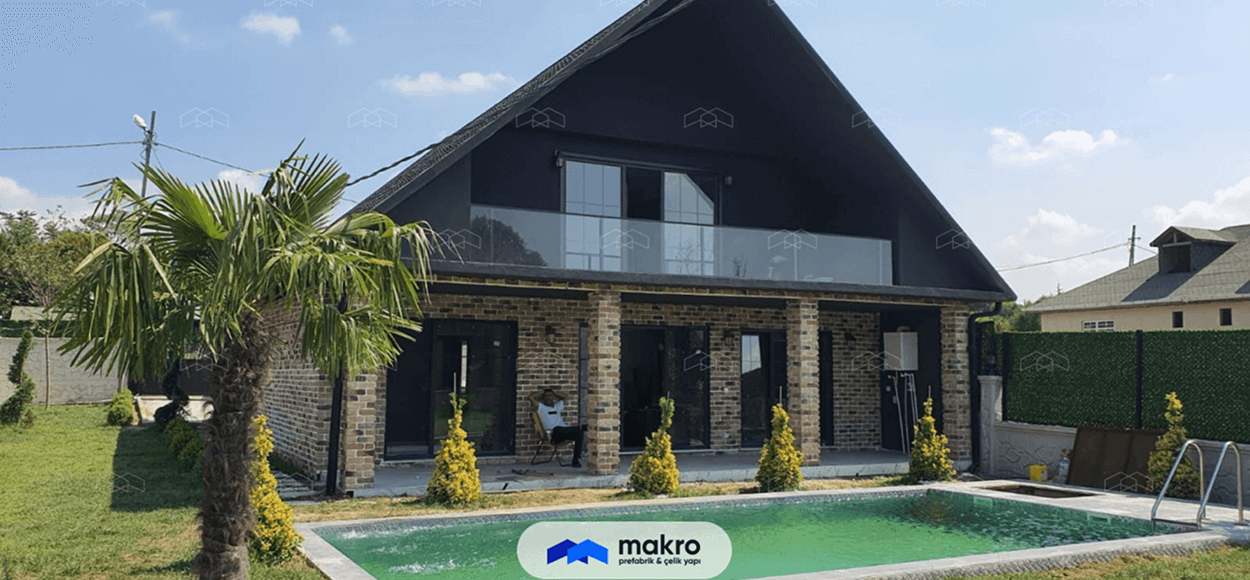
Many different types of structures are used around us to meet various needs. The plans for these structures are carefully drawn after undergoing specific engineering studies. Thanks to these drawings, the integrity of the structure is maintained. Walls and wall types are also very important in preserving this integrity. We have researched these wall types and have written about them in this article.
They are used in many different places across our country, according to various needs. These structures are especially used as houses. Indeed, prefabricated construction site models are used in construction sites, mining areas, and many other locations. The walls of these structures are built in two different ways. The shapes and usage areas of these walls are as follows:
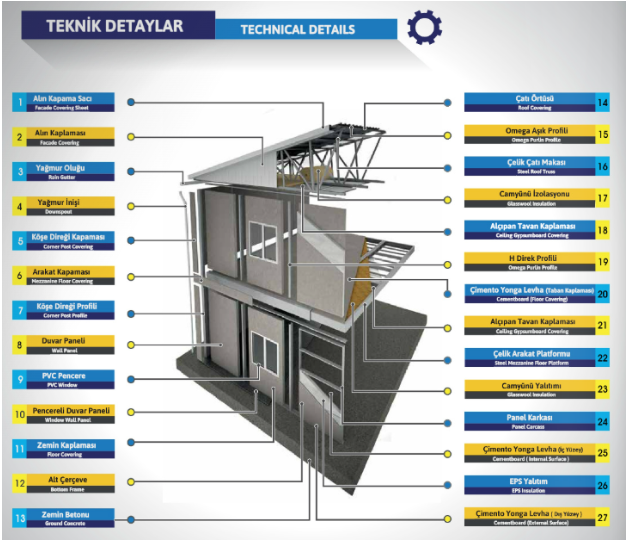
Wall: These structures are produced according to the steel construction method manufactured in factories. As seen in the visual below, usually houses, offices, dormitories, dining halls have insulation material placed between the interior and exterior walls. Interior and exterior walls are called cement chipboard and, of course, their durability is increased by using steel panel frames. The same materials are used for walls with windows.
Sandwich panels: Security booths where security personnel work and affordable container structures are built using sandwich panels. These panels are produced by compressing insulation material between two sheets. These panels add durability and insulation to the structure. In fact, the walls and ceilings of houses can be built using these materials. Using this material, two or three-story buildings can be produced.
These structures produced in factories can be used as houses, offices, dormitories, or dining halls. Additionally, areas used as cafes or social facilities are also available. Especially in prefabricated dining halls, some sections can be customized. If the meal is prepared outside, the kitchen inside the structure can be canceled. Instead of the kitchen, a dishwashing station can be installed or the dining area can be expanded. In this way, almost all structures can be customized in design. We have also researched the stages of building a bathroom in these structures and listed them below.
All these structures have areas that may have continuous water contact, such as bathrooms. It is very important for these areas to be waterproof. Since these are areas that come into contact with water, if water leaks, some parts of the structure may rot. No one wants such a situation. Therefore, we need to imagine that the house or structure is built on a flat, concrete floor. The insulation of this area must be done so that a bathroom can be built on top of it.
When considering the shower area inside the dormitory or the bathroom inside the house, the floor must first be insulated. But even before that, the drainage system of the structure must be installed and at least raised above the concrete floor. This way, the drainage system can also be installed during the setup of the structure.
After the necessary plumbing system for the bathroom or shower area is installed, an insulation material is used between the floor and the shower area. Usually, a creamy material is spread over the entire area. This prevents water from reaching the ground. Then, the insulation material and the same creamy insulation are applied again.
All bathrooms are built with liquid insulation. However, since the bathroom is inside the house, no water or any liquid should leak from this part to other parts of the house. A covering material similar to plasterboard is applied over the insulation material on the floor, and then ceramic or PVC covering is done. Usually, epoxy is used as the creamy insulation material, but these materials can vary depending on the manufacturer of the structure.
Having liquid insulation in structures, including those produced in factories, is very important. These structures are used in many different parts of our country. One of the reasons these structures are used all over our country is that they are heat-insulated. However, liquid insulation has another significance. If water leaks into the structure from inside, the structure begins to rot from the inside. To prevent such a situation, liquid insulation is very important.
To ensure insulation in these structures, different insulation materials are used in different areas. For example, durable and long-lasting materials like EPS foam are used in the walls, while lighter yet fire-resistant insulation materials like stone wool are used in the roof section. Additionally, PVC windows are used, and gaps in various parts of the structure are filled with different materials. You can also purchase one of these sturdy structures immediately and start using it.