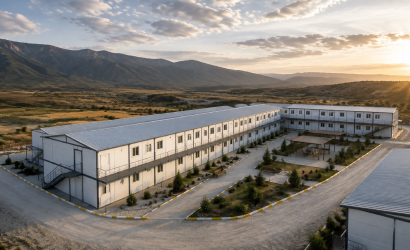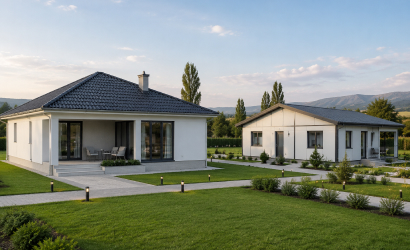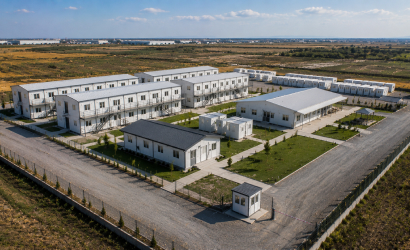
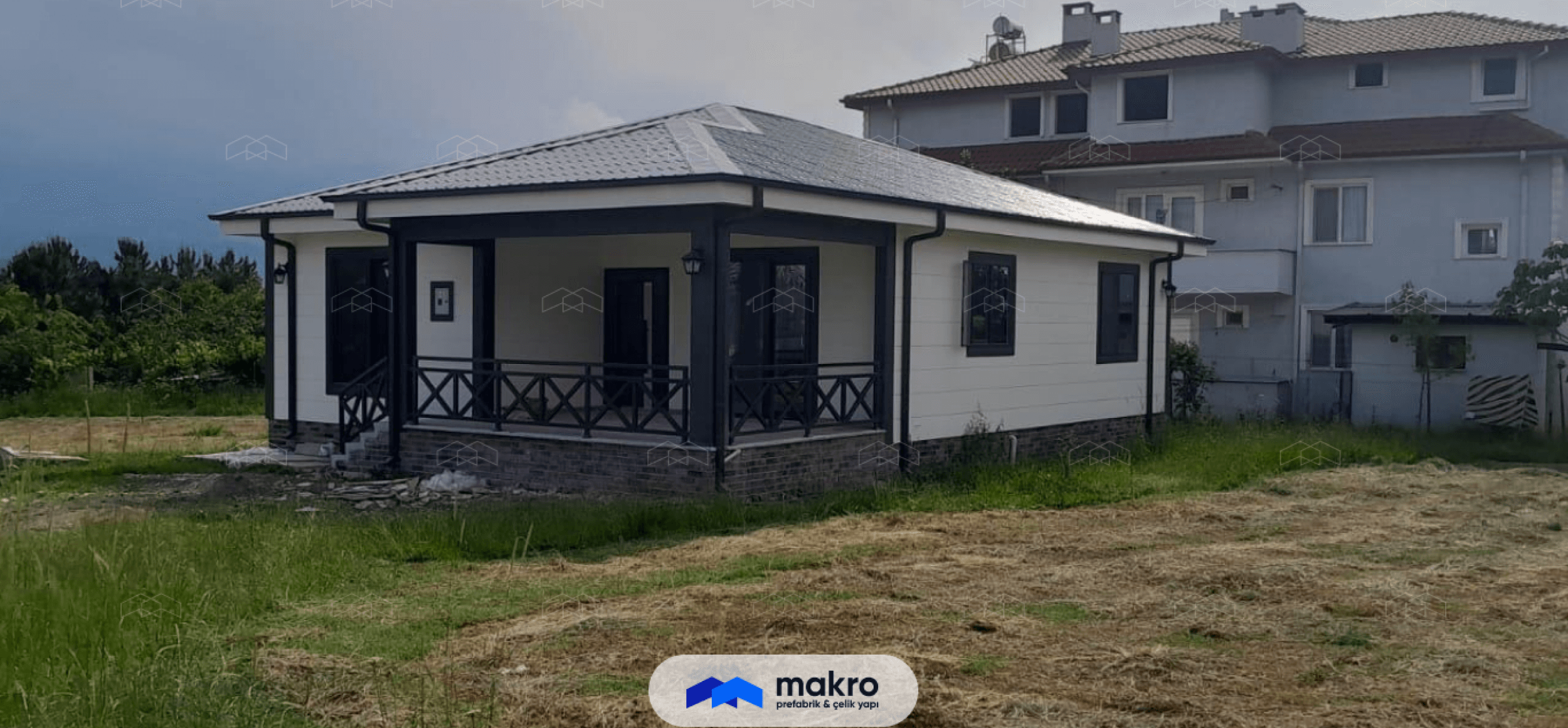
When we look around us, we can see that many different types of structures are used. Most of these structures are produced in factories. The materials used in the production process of these structures have been predetermined. Indeed, the production of these structures is carried out according to certain quality standards. The selected materials are also chosen according to this standard. We have also detailed some of the materials used in these structures in this article.
These structures produced in factories are used in many different places across our country. They are produced to be quite durable and at affordable prices. As a matter of fact, prefabricated site models are also produced in a way that they can be used for many years. From this perspective, these structures are very versatile and can be used all over our country. Some important materials of these structures are as follows.
Roof materials: The roofs of these structures are made using metal tile, shingle, painted galvanized. Metal tile has a nice appearance and a sturdy structure, galvanized is a very standard material, while metal tile and shingle are optional. All materials are durable and long-lasting, with shingle being a more insulating roof material.
Wall materials: These structures have interior and exterior walls. Walls are generally built with a certain thickness. If you want the walls to be thicker, that becomes an optional choice. Indeed, insulating materials such as EPS foam are used inside the walls. In the ceiling section, materials like rock wool are used. Thus, insulation is provided in the walls of the structure. The remaining wall material is similar to materials used in reinforced concrete structures, such as plasterboard.
Interior materials: The plumbing and electrical installations of these factory-produced structures are installed beneath the plaster. That is, the installations inside the house are invisible and remain between the walls. Additionally, the house's paint is done according to your preference. Windows are standard with PVC frames and double-glazed, interior doors are American style. All these materials can be customized according to your preferences.
These structures produced in factories are insulated and durable, so they can be used year-round across our country. There are some factors you need to know and consider before purchasing one of these structures. One of these factors is the services included and not included in the price. It is important to know these services because what is included and not included varies for each manufacturer. As of the date this article was written, these services are as follows:
| Included in the Price | Not Included in the Price |
| Installation can be provided upon customer request. Installation cost varies according to the project. | Foundation concrete and all excavation works |
| All building elements (wall panels and connection elements) installation | Foundation and wall covering works (plaster, ceramic, tile, carpet, etc.) |
| Exterior door (steel door) | Official permits required for the building's assembly |
| Interior door (American panel) | Transportation, transportation insurance, and if necessary, crane/scaffold provision |
| KOMPEN brand PVC windows | All external connections of the building (electricity, grounding, wastewater, clean water, etc.) |
| Installation of all windows including double glazing | Heating and cooling systems (radiator, air conditioning, etc.) |
| Electrical materials and installation inside the building (outlets, switches, fuse, lighting fixtures) | Kitchen countertop, lower-upper kitchen cabinets, and bathroom cabinets |
| Provision of sanitary fixtures if specified in the project (toilet, sink, faucet) – excluding installation | Telephone, TV, computer, UPS, data systems, and fixtures |
| Sanitary system materials and applications (waste water + clean water piping) | Provision of necessary electrical power during installation |
| All ceiling coverings, ceiling insulation, and roof covering | Accommodation and meal costs for the team during outside Istanbul installations |
| Interior & exterior ceiling, metal parts painting, priming, and silicone sealing | Protection of materials against theft at the installation site |
| Loading of materials onto vehicles sent by the buyer (owned by the seller) | Shower tray |
As technology advances, new business fields are opening up in our country. For this reason, new entrepreneurs are looking for office models that are more affordable and have different designs. From this perspective, prefabricated office models are very popular. These offices are produced as single-story or two-story structures. In some areas, the front facade of these offices is entirely made of glass walls, while in other areas, a simpler design is preferred. These offices are used as sales offices in some areas, while in others, they serve as call centers or for different purposes. The design of these structures is configured according to your business area and working style.