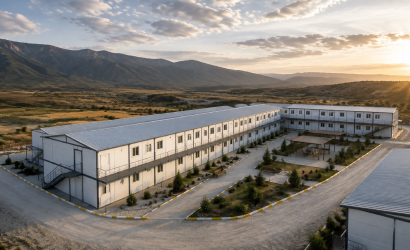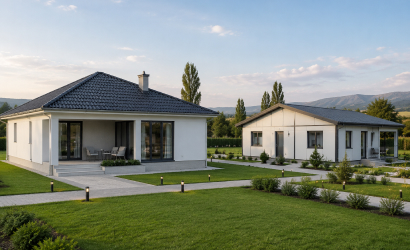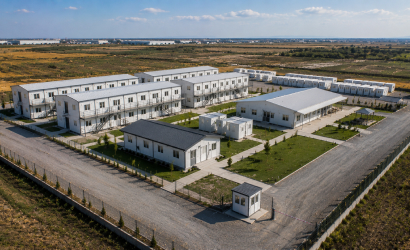
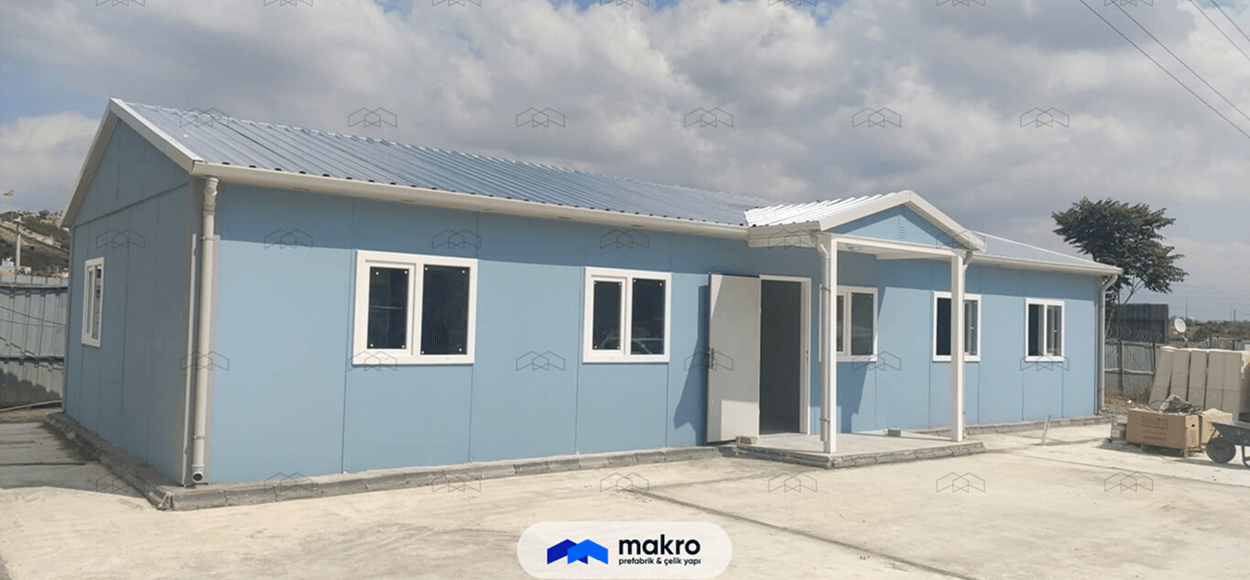
Nowadays, these structures produced in factories are used in almost every part of our lives. In fact, in factories, this building technology allows for the production of dormitories, offices, houses, dining halls, and many other types of structures. Another of these structures is the cafeteria. In this article, we have written about the features of cafeterias and the areas where they are used.
These structures produced in factories are used in many different parts of our country. In fact, this building technology can be considered the latest point in construction technology. Regarding this, prefabricated cafeteria models are also used in many different parts of our country. These structures are very versatile, durable, and well-insulated.
These structures are also preferred very often due to their affordable price. In fact, these structures are usually purchased by entrepreneurs who want to start a business. Therefore, they can establish a new business by allocating an appropriate capital. We can see these structures very frequently in our country's hospitals and schools. In fact, these structures can be customized according to your way of doing business. Because of this, the structure is adapted to suit you.
Cafeterias are produced using high-quality and long-lasting materials. In fact, these structures can be manufactured depending on what kind of cafeteria you want to establish. You can narrow, remove, or expand certain areas in the building plan. Thanks to these features, these structures can be used in many different fields. Some of these areas are examined in detail under the next heading.
When we examine many different sectors of our country, we see that these structures produced in factories are used. From this perspective, cafeterias can be used in many different areas. The reasons for the widespread use of these structures include their customization according to your way of doing business, durability, and insulation. We have also researched some areas where cafeterias are used and listed them below.
We see that these cafeterias produced in factories are most frequently used in hospitals. In fact, an entrepreneur can open a cafeteria next to a hospital at an affordable cost. You can sell not only snacks but also meals or drinks inside this cafeteria. In fact, the relatives of patients in hospitals can purchase many different products from here.
After hospitals, we most often see cafeterias in school courtyards. In fact, these structures are used very frequently in schools. Opening a cafeteria in a school can be a very profitable business. These structures attract a lot of attention from entrepreneurs. In fact, they are among the most ideal structures for opening an affordable cafeteria.
Some sports facilities in our country also have cafeterias. Especially in football facilities, cafeterias can offer a profitable business opportunity. Additionally, cafeterias can be produced in the desired size and design. Many entrepreneurs have established businesses thanks to these structures. In fact, these structures are very versatile and are used in many different fields in our country.
There are at least one cafeteria produced in factories in military barracks and police stations. In fact, these structures are affordable, insulated, and durable. They are manufactured to suit the climate where the military barracks and police stations are located. Inside these cafeterias, food, desserts, drinks, and some military supplies can be sold. We wondered how the floors of cafeterias are constructed, and we addressed this topic in the next heading.
Cafeterias are used in many different areas of our country. Because they are produced very versatile, affordable, and durable materials are used. As a result, these cafeterias are manufactured to be at least as durable as a prefabricated dining hall model. In fact, dining halls also have a lot of contact with water. Since this contact occurs on waterproof surfaces, there is no decay inside the structure.
The floors of cafeterias are also made waterproof, just like the floors of dining halls. First, imagine that the structure is built on a flat, concrete surface. The first step is to insulate the floor. Otherwise, water seeping through any crack could cause the concrete floor to decay over time. For this reason, epoxy materials are used, and the floor is insulated with a thin layer.
Usually, the plumbing and electrical installations of the structure pass through the walls, beneath the plaster. However, sometimes the drainage and plumbing pass through the floor. Therefore, the floor insulation must be done in a way that does not damage the installations. Then, insulation material and covering are applied again. The covering is usually made of ceramic or PVC. You can purchase one of these structures immediately and start using it.