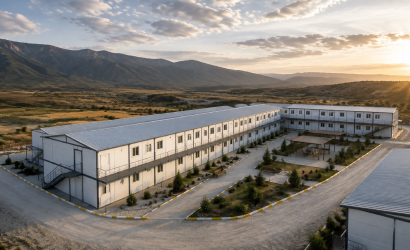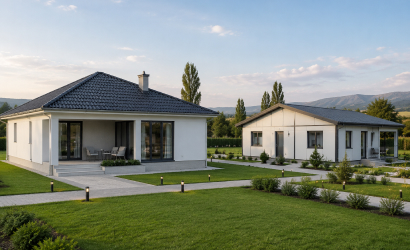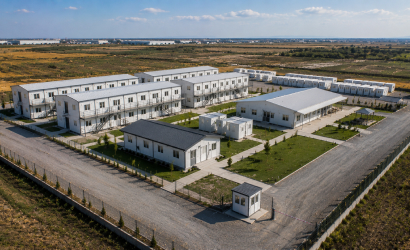
Factories produce cafeterias that are installed and used in many different parts of our country. In fact, those who want to start a new business or open a branch in a different location purchase prefabricated cafeteria models. But how are these structures produced? Most institutions do not know the production stages, but for those who want to know, we have examined how cafeterias are manufactured in this article.
Recently, cafeterias have become popular due to their durability and affordable price. They are used in many different places in our lives. Because these structures can be produced in different sizes and designs. As a result, some entrepreneurs purchase one of these structures and can set up cafeterias inside hospitals, universities, and military barracks. However, participating in some tenders may be necessary for this. But overall, cafeterias are very practical and long-lasting.
In addition to all these, cafeterias can be produced very quickly. This allows them to respond to urgent cafeteria needs. Moreover, these structures are durable and affordable. Thus, they are very ideal for entrepreneurs who want to start a new business. Besides these features, such structures are versatile and insulated. This allows them to be used throughout the year all over our country. Insulation is especially important for use in military barracks. You can also purchase a cafeteria immediately and start using it to benefit from these advantages.
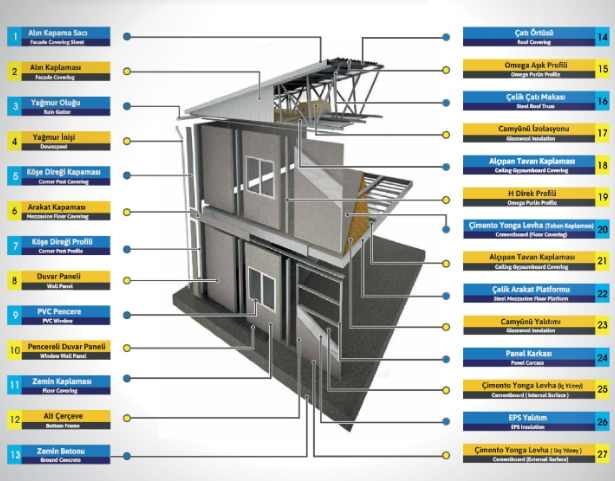
If we look around us, we can see many different cafeterias. These cafeterias are generally models produced in factories. From this perspective, prefabricated dining hall models are also produced in factories in the same way. Since the construction technology of these structures is the same, they are produced similarly. From a production standpoint, we can see that these structures are manufactured according to a certain quality standard. However, it is more accurate to examine not only the manufacturing in the factory but also the entire process from the shipment to the delivery of the structure. We have also researched and listed all the production and installation processes of cafeterias below.
These structures are primarily produced in factories. From this perspective, these structures have a specific production process. The entire process is planned starting from the approval of the structure. As a result of this plan, a delivery time can usually be provided. You can request a delivery period from your manufacturer at this stage, but these times may not be exact. Nevertheless, these structures are produced much faster compared to reinforced concrete structures.
The components of the structure, completed in the factory, are packed and shipped to your site. The shipment stage proceeds according to the planned points during production. It is important that the shipment is carried out completely safely. To ensure safe shipment, the parts of the structure are well packed and transported to the installation site.
The next step after shipment is the installation of the structure. The expert team responsible for this begins the immediate assembly of the delivered parts. First, the skeleton of the structure is built, then the walls and roof are assembled. This way, the structure will not absorb water during rain. Additionally, plumbing connections such as sewage, electricity, and water are made.
As the installation phase concludes, the delivery of the structure is planned. At this stage, all work inside the structure must be completed. Therefore, final touches such as doors, windows, electrical connections, and grouting of the tiles in the bathroom are finished, and the structure is delivered to you ready for moving in.
Cafeterias are structures that we see in many different places in our lives. In fact, through these structures, we can purchase many different foods and snacks. Cafeterias are especially used in hospitals. Thus, relatives of patients can buy tea, coffee, or meals 24/7, every day of the week. These structures can be designed very practically according to your requests. As a result, these structures can be used throughout the year all over our country.
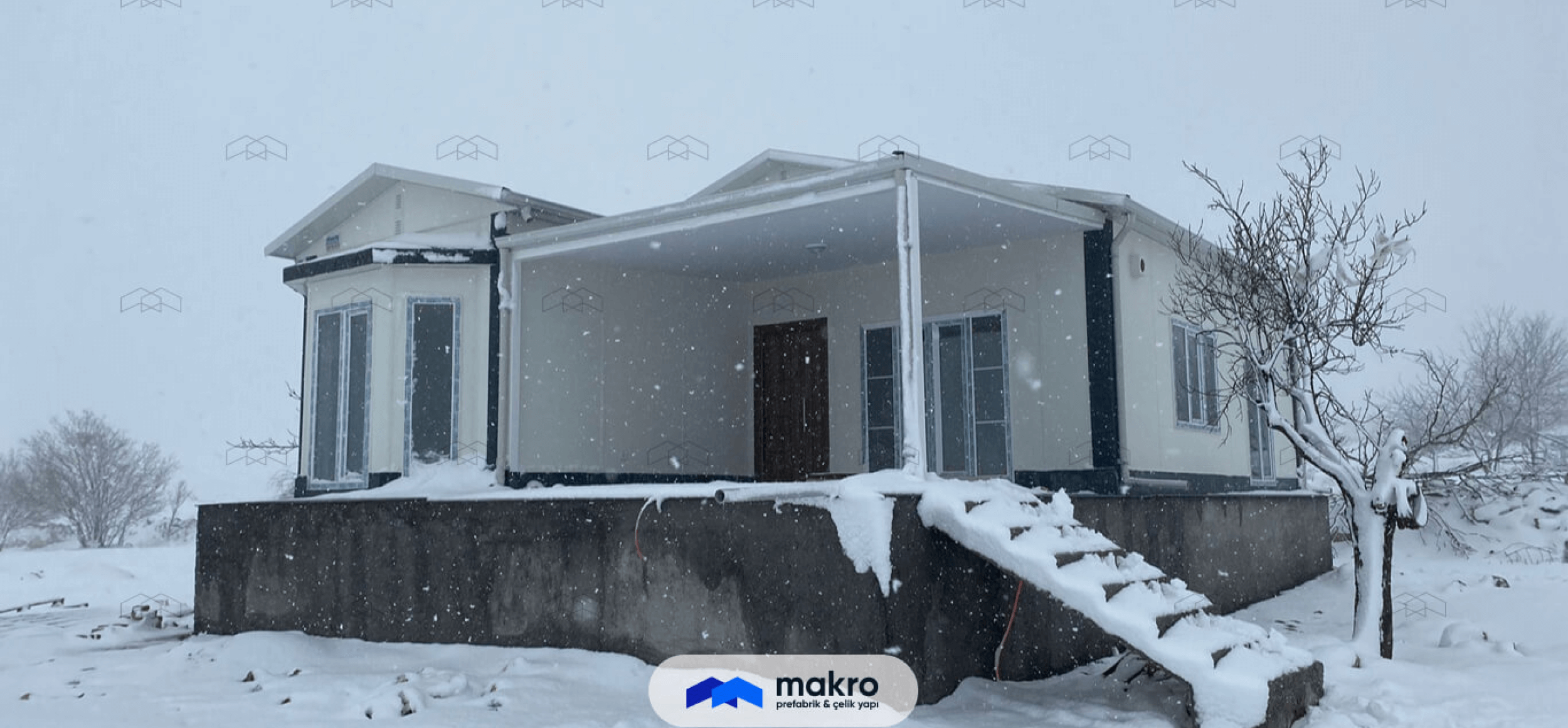
Cafeterias are produced in factories according to a certain quality standard. Additionally, these structures are manufactured to withstand certain factors. Since the roof is sloped, they are designed to withstand a certain snow load. Also, because the structure is built on a flat concrete ground, it is resistant to winds of certain intensities. Generally, they are designed to be durable against environmental and weather conditions. You can also purchase one of these durable structures immediately and start using it.